Recent research from Barnardo’s highlights the challenges many young people encounter online, including harmful gender expectations, pressure to fit in and experiences that can affect their wellbeing.
Around two thirds (65%) of those surveyed report witnessing or coming across harmful gender expectations online. [1]
The findings remind us that the online world forms part of many young people’s everyday lives and may influence how they see themselves, their relationships and their place in the world.
Looking beneath the surface
The research found that many young people experience pressures around identity, relationships and belonging.
These findings do not tell the whole story of young people’s experiences, but they do remind us that adolescence can be a time of significant emotional and social change. Behind statistics and headlines are young people trying to understand themselves, their relationships and their place in the world.
At Togetherness, the Solihull Approach model encourages us to understand what behaviour communicates, and consider what a young person may be thinking, feeling or experiencing beneath the surface.
By approaching young people with curiosity and understanding, we can create opportunities for connection and conversation.
Why emotional understanding matters
Adolescence is the second most rapid period of brain development. This has a significant impact on how teenagers behave, feel and understand the world around them. As young people develop emotionally and socially, supportive relationships with parents, carers and trusted adults can help them make sense of their experiences and strengthen their emotional wellbeing.
These conversations are not always easy, but they can play an important role in helping young people feel heard, understood and supported.
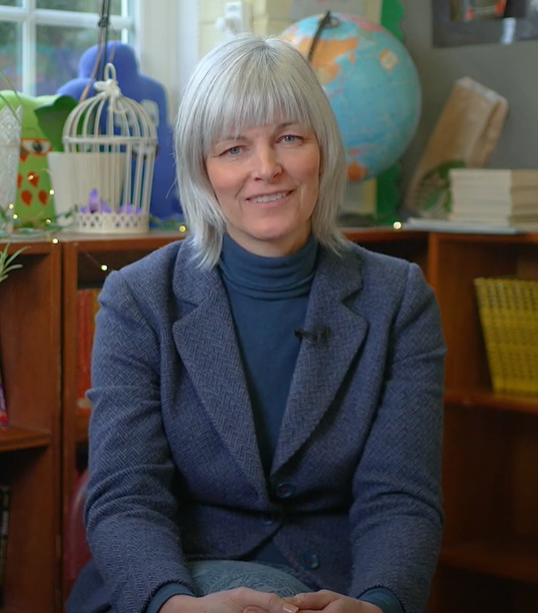
Dr Rebecca Johnson, Consultant Clinical Psychologist and Togetherness Development Manager, said:

“Teenagers may look and act as if they are independent and will seek distance from their parents at times. It is tempting as a parent to think they are not interested in our opinions, and they can certainly make it known we are a source of excruciating embarrassment in social situations. This is all developmentally completely appropriate.
“It’s a necessary part of being able to become a separately, independent functioning adult. But it’s important not to confuse this for actual independence; when they need you they really need you.
“You may need to show your care, interest and presence without expecting much in return, but by being there and making yourself lightly available you make yourself easier to reach out to in those moments of crisis or just everyday ‘need’ as and when they come up.”
Lynn Perry, Chief Executive, Barnardo’s, said:
“Misogyny isn’t always loud or visible to many of us – but these findings show how constant, corrosive and deeply embedded it is in the lives of young people today both on and offline.
“It shapes how boys and girls think about themselves, their worth and their relationships with others. Young people are telling us that the result can be harmful on all sides, from humiliation and sexualised abuse to feelings of shame and isolation. This is not inevitable – it is learned, and it can be challenged.
“That’s why we’re raising the alarm and we want young people’s experiences to be at the heart of conversations about how to tackle misogynistic content online. As a step in the right direction, we are calling on the government to turn Ofcom’s guidance for online services to improve the safety of women and girls online into a mandatory code of practice for tech companies to create safer digital platforms for all children and young people.”
Learn more
The Solihull Approach model has supported parents, carers and practitioners for over 25 years through evidence-based approaches to emotional health and relationships.
Our online learning pathway, Understanding your teenager’s brain, supports parents and carers to understand adolescent brain development, emotional health and how their relationship can support their young person as they grow.
Understanding your teenager’s brain
Learn more about adolescent brain development, emotional wellbeing and relationships during teenage years.
Explore the Togetherness pathway library
Sources
[1] Barnardo’s (2026), The impact of online misogyny on children and young people’s attitudes and behaviours.