

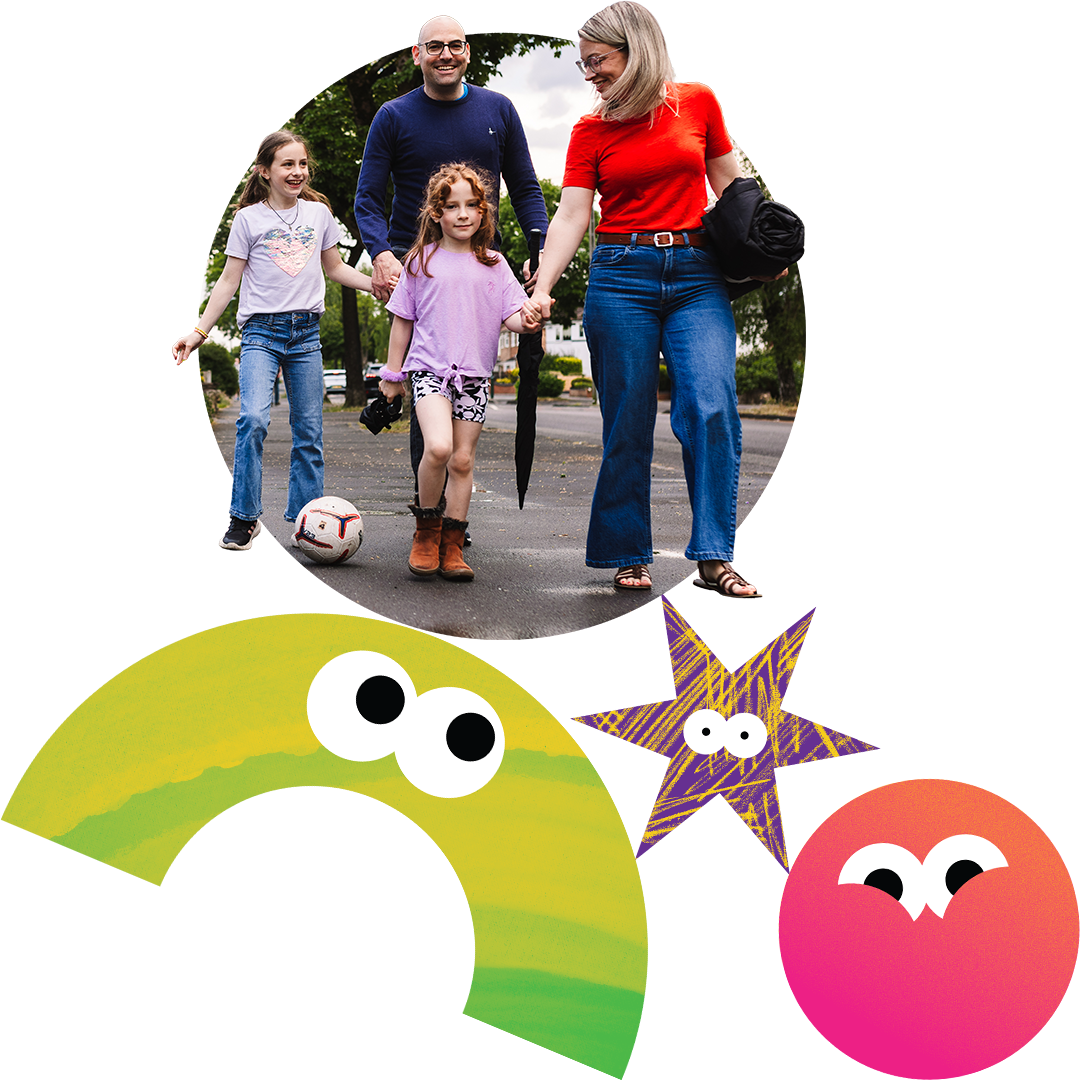
A learning pathway to help navigate the changing world with your child
Follow along to raise your understanding of emotional health. And gain trusted new approaches to the big parenting challenges.
Pathway stages
Flexible learning for you to focus on the stage most relevant for your family today.
1. The changing world
1.1 Change
1.2 A questionnaire
1.3 Anxieties
1.4 Your child in the world
1.5 Parenting
1.6 This pathway
2. Social media
2.1 Social media
2.2 The Good
2.3 The Bad
2.4 The Ugly
2.5 What age is right for your child?
2.6 Sharing the space or respecting privacy?
2.7 Children, young people and social media
2.8 New spaces, old rules
2.9 Reciprocity and social media
2.10 Containment and social media
2.11 Your family and social media
3. Gaming
3.1 Gaming
3.2 Talking about gaming
3.3 Finding balance
4. The role of technology
4.1 Balance
4.2 Managing technology or is technology managing you?
4.3 Managing risks and opportunities
5. AI and robots
5.1 AI
5.2 Robots
5.3 AI and the future
5.4 School and careers
5.5 Thriving in a changing world
5.6 Leadership and resilient communities
5.7 What did you think?
6. Friendships
6.1 Navigating friendships
6.2 Finding their tribe
6.3 Supporting friends
6.4 Processing emotions
7. Forming and sharing opinions
7.1 Space to think
7.2 Listening and valuing
7.3 Valuing difference
7.4 Exploring identity and belonging
8. Conflict
8.1 Conflict and arguments
8.2 Difficult conversations
8.3 Relationships
9. Sex
9.1 Sex and sexuality
9.2 Sexuality
9.3 Gender
9.4 Sex, relationship and communication
9.5 Sex and pornography
9.6 Sex and consent
10. Our planet
10.1 Climate change
10.2 Repair
10.3 Containment and the Earth
10.4 Well-being
10.5 Climate anxiety
10.6 Getting outside
10.7 Being part of the change
10.8 Adapting for a very different future
11. War and natural disasters
11.1 Talking about events
11.2 Navigating conversations about the news
11.3 The news cycle
11.4 Processing
11.5 Living through disaster
11.6 Joy
12. Congratulations!
12.1 Coping in a changing world
12.2 Well done
12.3 Acknowledgements
About this pathway
Supporting your child’s emotional health in our fast-moving, uncertain world
Children are learning all the time about how to look after their feelings, and so are you. Alongside everyday family life, you’re helping your child to build their independence. You are probably navigating changing personalities and developing friendships. Now they are growing up within a developing online world: social media, gaming, AI … They may also be thinking about conflict, climate change and global uncertainty.
You may feel that some of the situations you face as a parent are completely new. Your child’s world can feel very different from your own childhood.
A different kind of support
Understanding your child in a changing world looks at some of the issues that matter most to modern parents. This pathway uses an easy-to-follow principles approach. Thanks to some ideas from psychology and the experts behind Togetherness, you will learn new parenting tools. The ideas will help you connect in your relationship and care for your emotional health. You will learn how to apply the Togetherness approach in the best way for your family.
This pathway helps you to:
- Understand the world shaping your child
- Think about difficult topics safely
- Support connection and communication
- Feel more confident with uncertainty
Why emotional health matters
Many mental health difficulties come from struggles with recognising, understanding and managing feelings. When you help your child build these skills, you help them build resilience.
You’ll find practical insights from psychology and neuroscience. You will learn how children’s brains develop and how to help look after big feelings.
Parenting in a rapidly changing world
The pace of change can feel overwhelming. Your child is growing up with influences that didn’t exist a few years ago, such as smartphones, social media and AI.
Some examples in this pathway may date quickly, but the core ideas will stay relevant. When you focus on your relationship with your child, you can respond with more confidence.
You don’t need all the answers. By building a strong relationship with your child, you are already giving them a strong foundation for wellbeing.