

Home >
Toileting
Toilet training with Togetherness
Learning to use the toilet is a significant developmental milestone for young children. Experiences vary. For some children it can feel like a natural, simple progression. But for others, it can be really challenging and full of big feelings.
Here are some ideas about child development and emotionally-aware approaches to toilet training to help you on your journey.

Confident toileting
Going to the toilet, as with other behaviours for children, is closely linked to emotional wellbeing, communication and confidence.
At Togetherness, we see toilet training as an opportunity to reflect on connection, build trust and help children feel safe and proud as they grow.
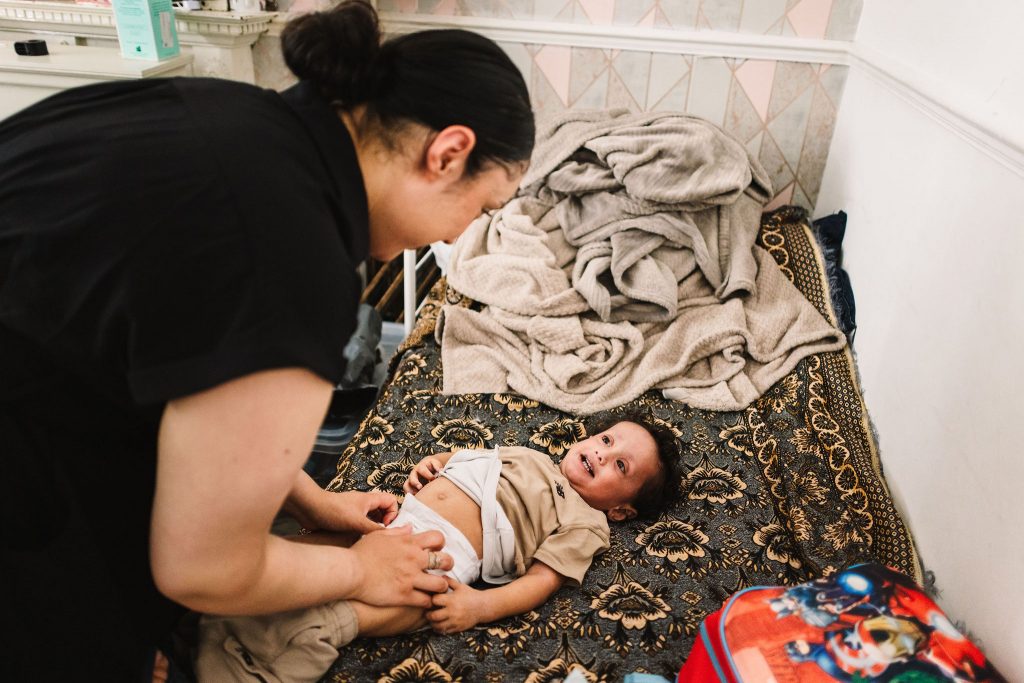
Understanding toilet behaviours as part of child development
Potty training and the first steps
Toilet training depends on a combination of physical readiness, language and communication skills, emotional safety in secure relationships. Children thrive when they learn in an environment where the adults around them are:
- Patient
- Attuned
- Responsive
- Non-pressuring
Most children are ready to be potty trained between 18 months and 3 years old (BBC Bitesize, 2026).
More information and frequently asked parent questions can be found on this useful guide by the BBC.
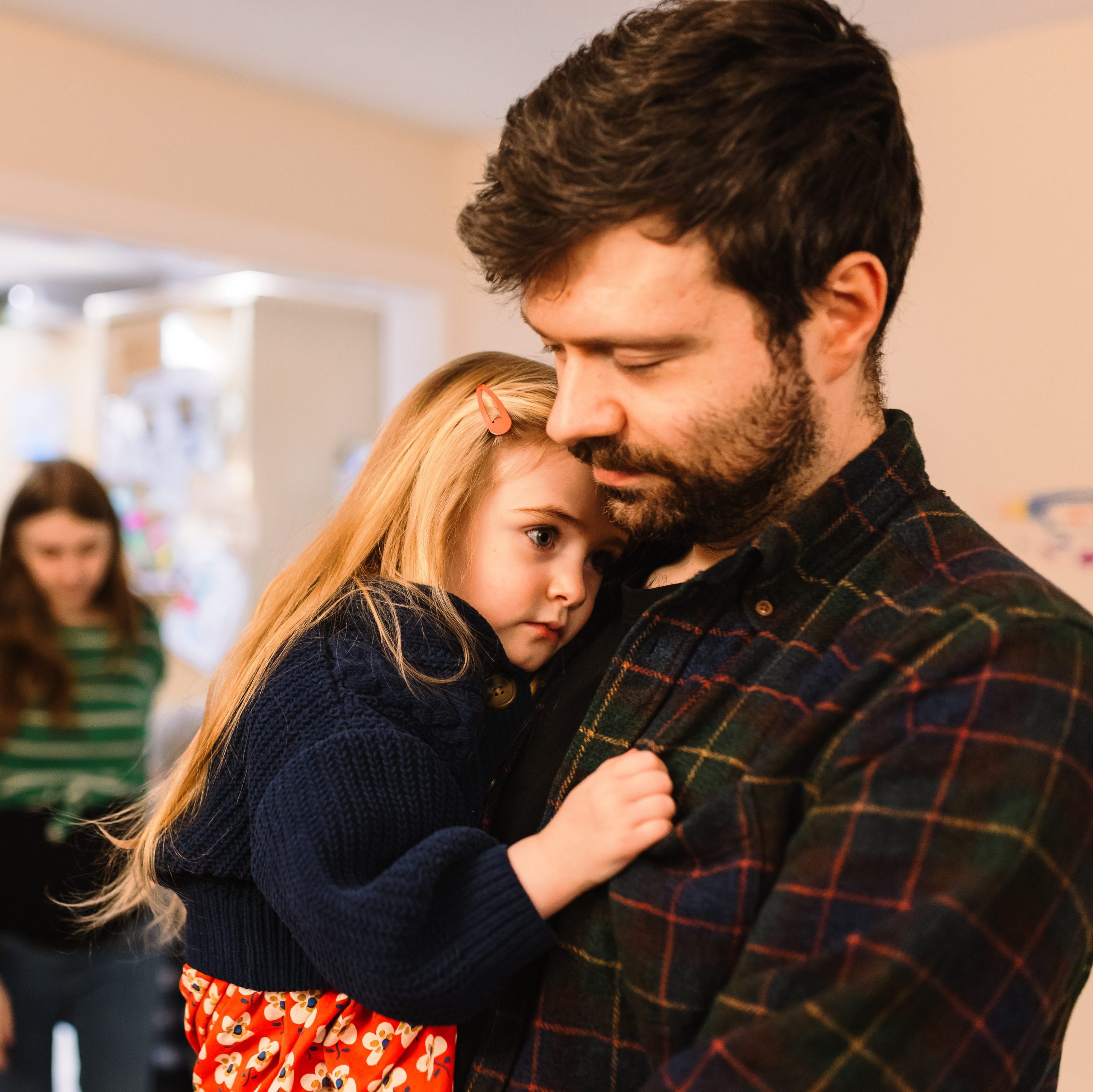
Toileting is deeply connected to children’s feelings. Many little ones experience big emotions around:
- Letting go of something from their body
- Stopping play to use the toilet
- Wanting independence but still needing reassurance
- Being afraid of the toilet or the flush
- Feeling watched or rushed
When adults stay calm and connected, children can manage these feelings safely.
Learning to use the toilet independently
As children grow, they need opportunities to practise being more independent. You can help by supporting them to:
- Pull trousers up and down
- Wipe bottoms (slowly building independence)
- Flush the toilet
- Wash hands thoroughly
- Let an adult know when they need to go
Offering encouragement and staying patient will help skills develop gradually and with confidence for lots of other activities.
Getting ready to go to the toilet by themselves at nursery or school
Starting school brings new changes and emotions. Children may worry about:
- Using unfamiliar toilets
- Asking teachers for help
- Loud hand dryers or busy bathrooms
- Being away from home routines
You can support them by:
- Talking through what school toilets are like
- Practising asking an adult for help
- Reassuring them that all children need help sometimes
- Letting teachers know about any worries, routines or sensitivities
Transitions feel easier when adults work together with kindness and communication.
Night-time dryness and bedwetting
Night-time dryness develops later than daytime toileting. Wetting the bed is:
- Common
- Not the child’s fault
- Not a behavioural issue
Most children’s bodies simply aren’t ready to stay dry all night. Stress, overtiredness, illness or changes at home can also temporarily affect night-time control. Bedwetting is common following daytime toilet training and not normally something to worry about.
You might find it helpful to think about how to manage changing bed sheets during this time. Having waterproof underlays, ready-to-go cover changes and pyjamas, for example can make midnight or early changes less stressful and less worrying for your child.
ERIC’s night-time continence guidance is especially helpful here.
Accidents and ‘regression’
Children may temporarily start having accidents again when:
- They’re adjusting to separation or transitions
- A new baby arrives
- Routines change
- They’re going through rapid developmental changes
- They’re feeling overwhelmed
Rather than thinking of it as “going backwards,” it’s more helpful to see toileting as linked to emotional wellbeing. Accidents may be a sign they need a little more closeness, understanding, and emotional support.
If accidents persist or you have concerns, ERIC offers specialist support.

Learning pathways for parents
For a deeper understanding of child development and emotional wellbeing, explore our Togetherness learning pathways:
Practical ideas from Togetherness – experts and parents
Preparing for toilet training
Before starting, it helps to look for signs your child might be ready, such as:
- Staying dry for short periods
- Showing awareness of wet/dirty nappies
- Being curious about others using the toilet
- Communicating basic needs
- Enjoying being more independent
You don’t need all these signs, every child grows differently, but they can help you choose a low-stress time to begin.
Toilet training in a positive, attuned way
1. Connection and warmth
Children learn best when they feel safe. Sitting with them, offering eye contact and using warm, encouraging language helps them feel supported.
2. Play
Songs, stories and games can make the toilet feel familiar and fun rather than scary.
3. Routines
Regular “toilet opportunities,” especially after meals and before going out, help build body awareness.
4. Pace
Some children take to the toilet quickly; others need more time. Rushing often leads to stress for both parent and child.
5. Celebrating effort
Praise trying, sitting on the toilet, telling you they need to go — not just wees and poos.
6. Patience
Accidents are part of learning. Calm, reassuring responses support confidence and help children learn about caring for their own feelings.
For practical, step-by-step advice, see:
- ERIC – The Children’s Bowel and Bladder Charity: specialist advice on bowel health, bladder health, bedwetting, constipation and toileting
- BBC Tiny Happy People: practical, gentle toilet training ideas for daily life
- Best Start in Life: advice on potty training your toddler and building their confidence to use the toilet