Bringing Togetherness to India
By Mahek Uttamchandani, Consultant Occupational Therapist at Stepping Stones Paediatric Therapy Centre, Mumbai.
“Here in India, some of the most progressive, successful schools can still respond to children in very traditional ways. Through years of working with children and collaborating with educators through the work we do in occupational therapy, I’ve seen that many schools genuinely want to do better for their children. Their philosophy is often inspiring: child-led learning, inquiry-based education, focusing on individuality and emotional well-being.”
Understanding behaviour through the Togetherness model
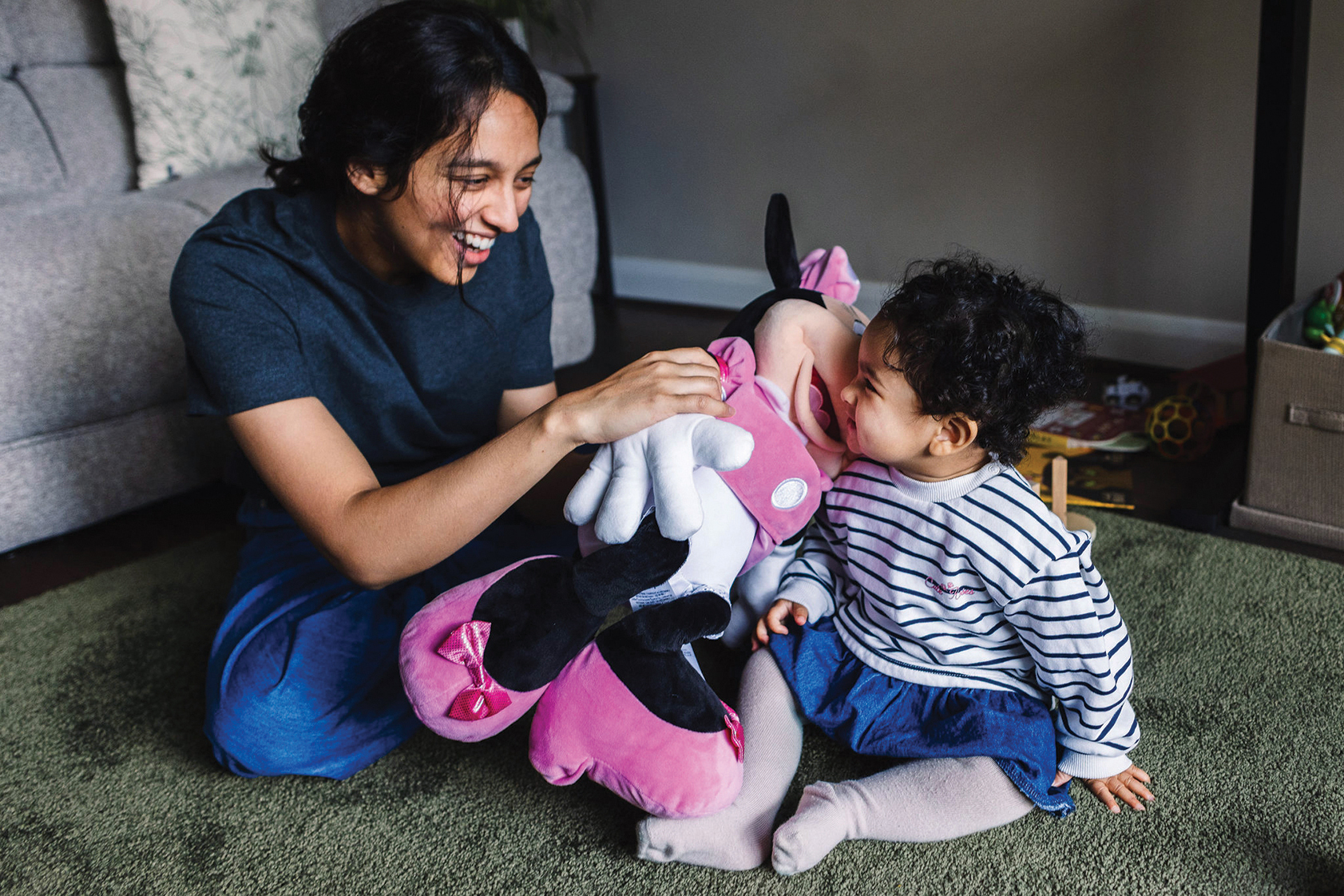
“Many teachers are doing their best within already demanding systems and with what they already know. But in conversation with children and parents, I still notice how quickly we fall back on what we call ‘old patterns’. A child who can’t sit still is often very distracting. A child who asks too many questions becomes the interruptive child. A child who shows big emotions is always seen as being too sensitive. Not because people and teachers don’t care, but because many adults were raised in systems that valued obedience over regulation, and performance over emotional safety. That’s why understanding behaviour and children matters so much, because behaviour is just a form of communication. The child who seems difficult could actually be anxious, sensory overloaded, overwhelmed, or simply struggling to cope. Children don’t just need progressive curriculums; they need adults who see them and understand them. With Togetherness, we can support professionals and parents to reach this understanding.”
Relationships come first
“At Stepping Stones, our therapy is never one-size-fits-all. We adapt our strategies to support each child’s unique learning style and developmental needs. This is why Togetherness works so well for us with its concepts of containment, reciprocity and managing behaviour. Some children need movement to focus, some need visual support, and some need extra time and sensory input to process information. When we shift our approach to match how a child’s brain learns best, we create an environment where they can truly thrive. I have a special interest in infant and child mental health and promoting social-emotional wellbeing in children and their families. Togetherness and its values are very close to my heart. My training in infant development has shaped how I understand early behaviour, communication and emotion, and how vital responsive caregiving is in those critical years. What drove me to Togetherness is its important and strong focus on relationships. It gives parents and professionals a simple, evidence-based framework to understand behaviour, strengthen connection, and support emotional well-being from the very start.”
An official centre
“In February 2025, we became the first licensed centre for hosting Togetherness and the Solihull Approach model in India. From our centre we offer the 2 Day Foundation Training to practitioners across the country, along with the Whole School Emotional Wellbeing programme, equipping practitioners with an effective framework to support families and improve emotional wellbeing for children and their caregivers. We love seeing the impact on the children we work with, and how parents come to understand the why of what we do, also becoming curious about their own thinking and reactions in different situations. We also deliver parent groups focused on emotional health and connection. We embrace new channels for engagement, using a lot of videos and social media to speak to parents directly, showing them small tips and advice to better understand and approach their child’s needs. That same bite-sized approach, like many of the Togetherness online pathways, helps parents process and digest information effectively, and apply it effectively to their own child.”
The Whole School approach
“The professional training’s focus on relationships and fostering connected, sensitive, and responsive interactions has transformed the way many practitioners approach their work. The Togetherness Whole School Emotional Health Programme has equipped staff, students, and parents with the tools to understand and support emotional development through evidence-based strategies. Creating inclusive and positive environments for all children in the classroom can help them feel like they belong at school. When children feel understood, they’re more willing to share their feelings, even the big ones, the overwhelming ones. Talking about feelings strengthens relationships and restores that sense of belonging. In the classroom, we can help by listening without pushing, naming feelings in a gentle, curious way, and celebrating each child’s strengths, not just their achievements. Because belonging isn’t about fitting a mould. It’s about feeling value for who you are. The Solihull Approach model can help schools in India foster a positive learning environment where children can find a sense of belonging, and ensure both parents and children feel safe, welcomed, and valued in school.” Togetherness is built on a simple but powerful belief: relationships come before results. It helps parents, caregivers and professionals understand what sits beneath a child’s behaviour, respond with greater confidence, and build calmer, more connected relationships.”