
Mental Health lessons for five-year olds
Equipping teachers to nurture lifelong emotional wellbeing from an early age.
The Togetherness proposition is the foundation of all that we do: we’re here for big feelings. Lessons and experiences in childhood shape longer term wellbeing. We learn key skills in the early years that build social and emotional strength, which we take through our life’s experiences and relationships. Through early intervention we’re helping to establish healthy relationships that nurture and encourage lifelong mental and physical wellbeing.
Shaping mental health from early childhood
The Togetherness team’s decades of experience in clinical practice with both adults and children has emphasised how critical early childhood experiences are in shaping long-term mental health. Amongst the changing and challenging environment in which young children are now growing up, we recognise the vital need for resources that are evidence-based and research-led, which better support children with early learning about emotional processing. Acknowledging that emotional care is ultimately the responsibility of adult caregivers, we are also committed to helping children and young people learn the skills to be able to recognise their own feelings, developing emotional literacy so that they have the best chance of future mental wellbeing. Whilst a healthy parent-child relationship is always the goal, we know that not all children experience these healthy, caring relationships and many carry trauma experiences with them into nurseries and classrooms. We are motivated to develop a programme that supports all children, regardless of their home experiences, to learn helpful skills that can support them in caring for their mental health.
Building emotional literacy from the start
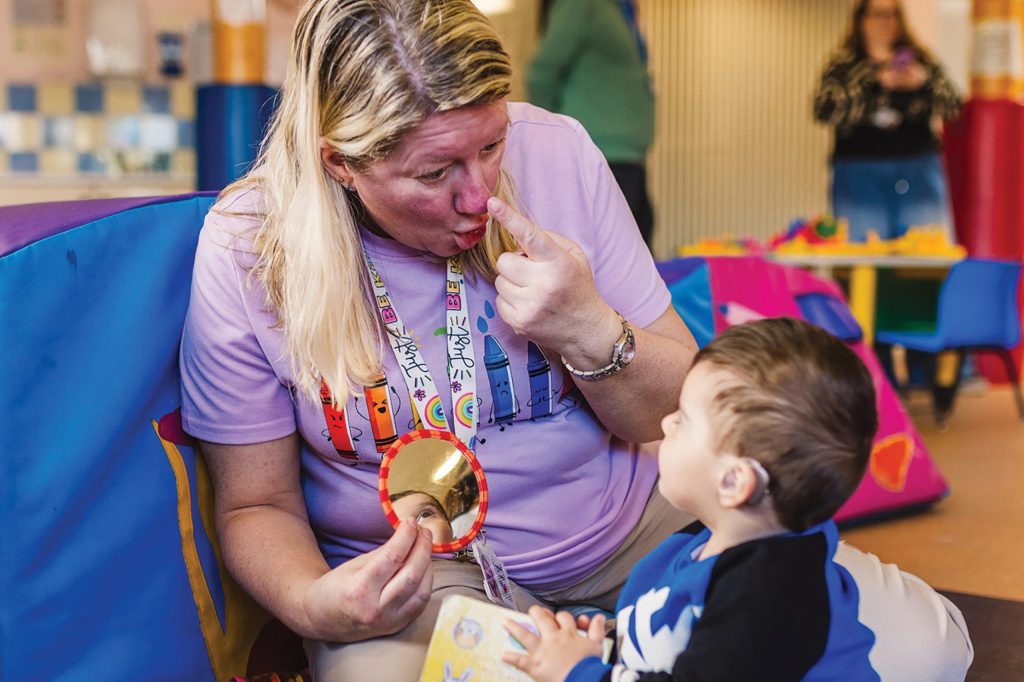
Togetherness has therefore partnered with Developing Experts, who offer an established digital learning platform for schools to access ‘ready-to-deliver’ lessons across subjects. We have designed a fully-resourced set of lessons that equips and empowers teachers to address mental health themes and key principles of health ‘care’ with Key Stage One learners. The programme introduces key ideas about emotional health at the very start of school. Teachers are given everything they need to support children’s emotional health; helping them to name, recognise, measure and manage their big feelings. Discussing and understanding these at an early age, and encouraging children to discuss them with adults and their peers, helps to prevent them from becoming unmanageable. The resources guide teachers to confidently model healthy, open conversations, contributing to children’s essential emotional vocabulary and establishing a positive emotional culture in schools. Working together to create an effective and engaging structure, the lesson plans steer children to understand that we feel multiple things throughout the day, some big and uncomfortable, many of which are evident in our facial expressions or bodily changes – and that’s normal.
Understanding adult support
Importantly, the programme also helps children to understand that some adults are better at listening and talking about feelings than others – and that they should not be alone or wholly responsible for managing their difficult feelings. Children’s brains are still developing and they need consistent adult relationships to help them learn to regulate emotions so this approach to learning and talking is crucial to helping them process feelings – at school or at home – to ensure they don’t become overwhelmed. With the comprehensive offering of Togetherness resources and training, teachers, school staff and parents can help create a safe space for children to understand and process their feelings by talking about them out loud, and without judgement.
Starting the conversation
This skill helps establish healthy mechanisms and lays the foundation for better mental wellbeing. Healthy relationships are a big protective factor against illness, so the focus remains on building healthy, supportive connections with caregivers. The lessons avoid the use of mindfulness approaches or ‘worry jars’ for managing emotions – which remain problematic as the emphasis is on the child to contain their own feelings – and instead emphasises the importance of identifying caregivers who will listen and support them, and to share their feelings, rather than ‘masking’ or containing them. The programme completes the Togetherness ‘whole school offer’, which now provides support for staff, parents and children. We hope that the plan will further enhance the support of schools in which staff have already adopted the Solihull Approach model, whilst also introducing Togetherness and its values to new schools across the UK in an easily adopted, ready-to-deliver format.