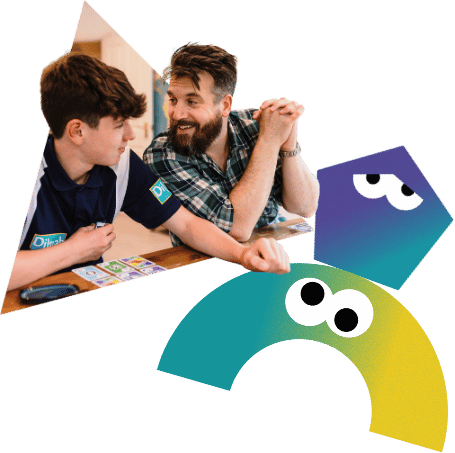
Commissioning Togetherness for Family Hubs
Making a difference in communities
Togetherness is a relational, psychologically informed programme rooted in the Solihull Approach, a trusted model – bringing together containment, reciprocity, and learning theory – tested and peer reviewed in more than 40 published journal papers.
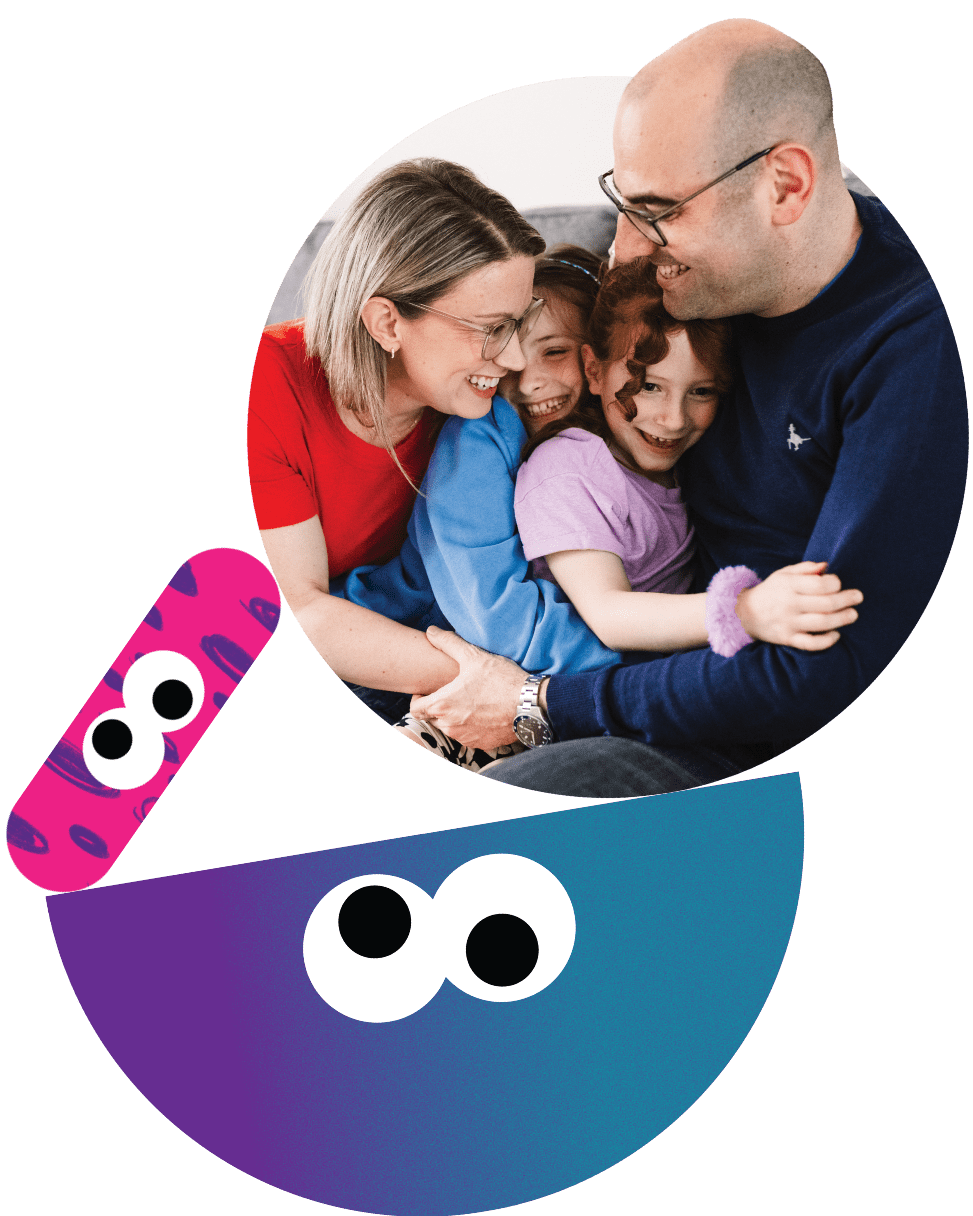
Togetherness and the Home Learning Environment
Togetherness strengthens early communication and emotional development from preconception to age 5, and beyond, fully aligning with, and enhancing, the Department for Education’s Best Start in Life strategy and the principles that underpin the Home Learning Environment (HLE).
Togetherness acts as the psychological engine that enables families to enact ‘Chat, Play, and Read’ – not just understand it.
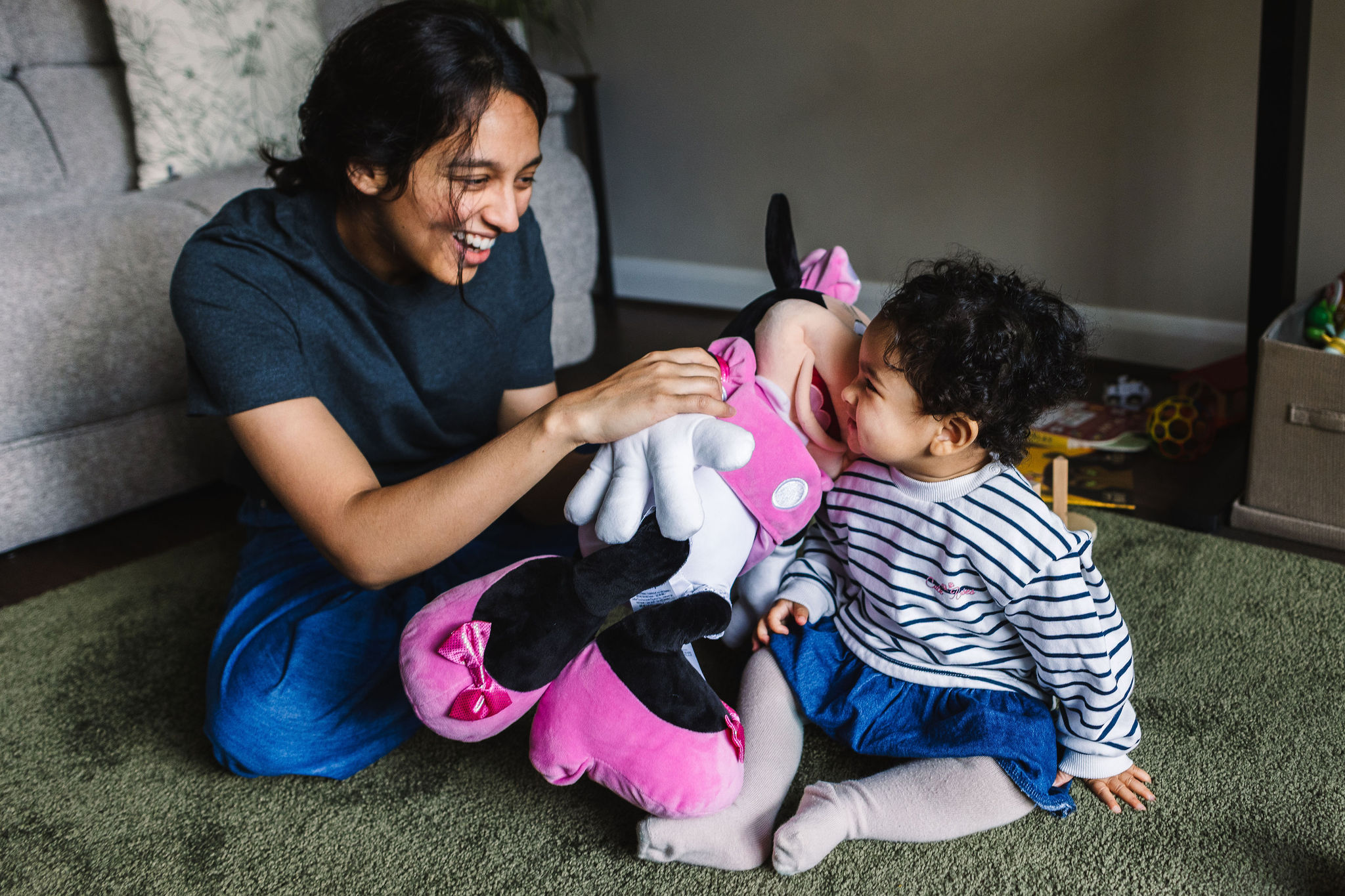
Chat. Reciprocal communication from the very beginning
Togetherness helps parents notice and respond to their baby’s earliest cues (eye gaze, gestures, vocalisations, withdrawal), positioning the baby as an active communication partner from pregnancy onwards. This makes conversational turn-taking intuitive, emotionally rewarding, and embedded in daily routines.
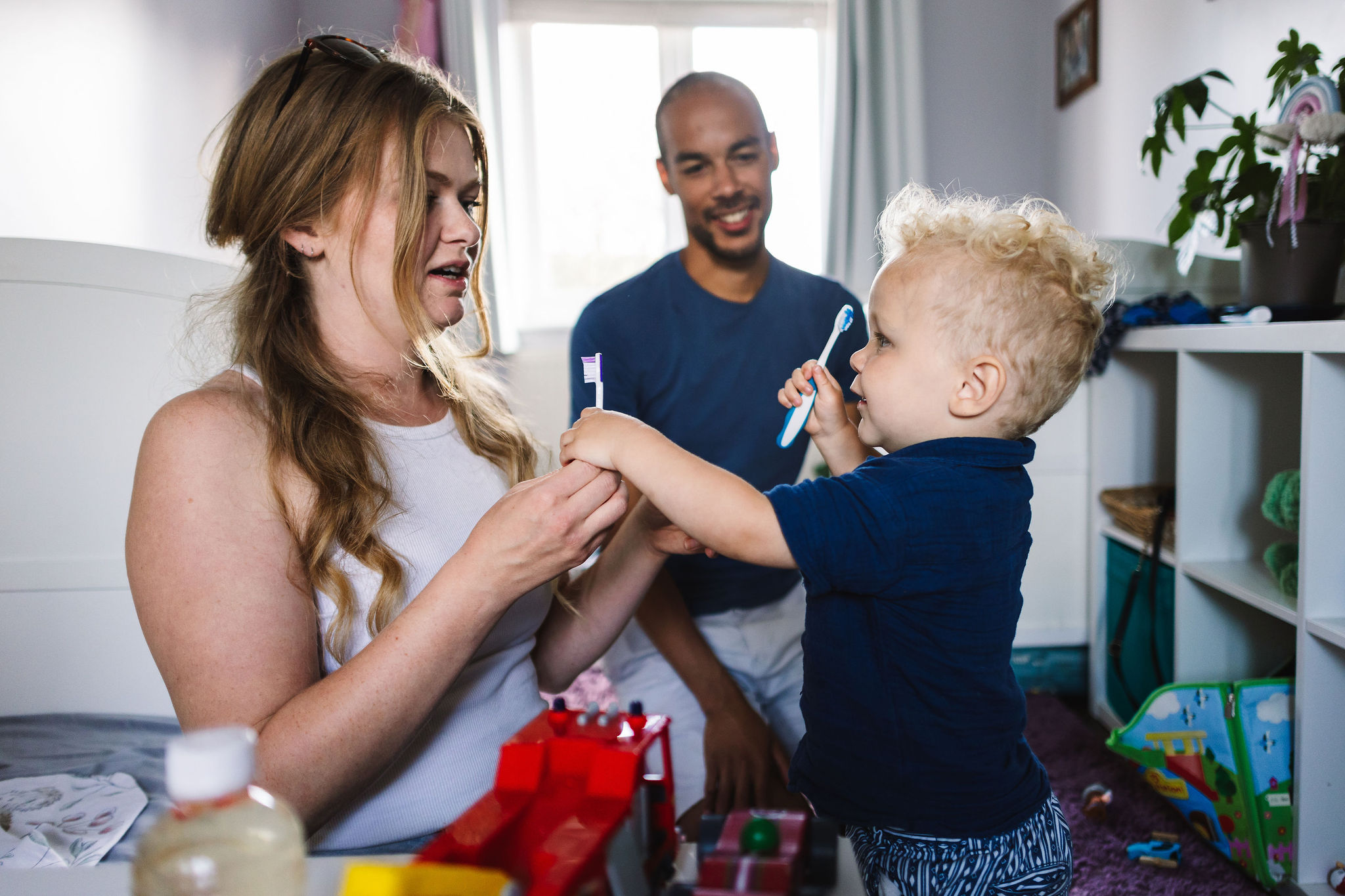
Play. The natural context for learning
The model emphasises shared attention, mirroring, and playful responsiveness, all of which emerge from reciprocity. By amplifying micro-moments of connection, Togetherness enhances creativity, curiosity and coregulation – key drivers of learning and language, as well as physical development.
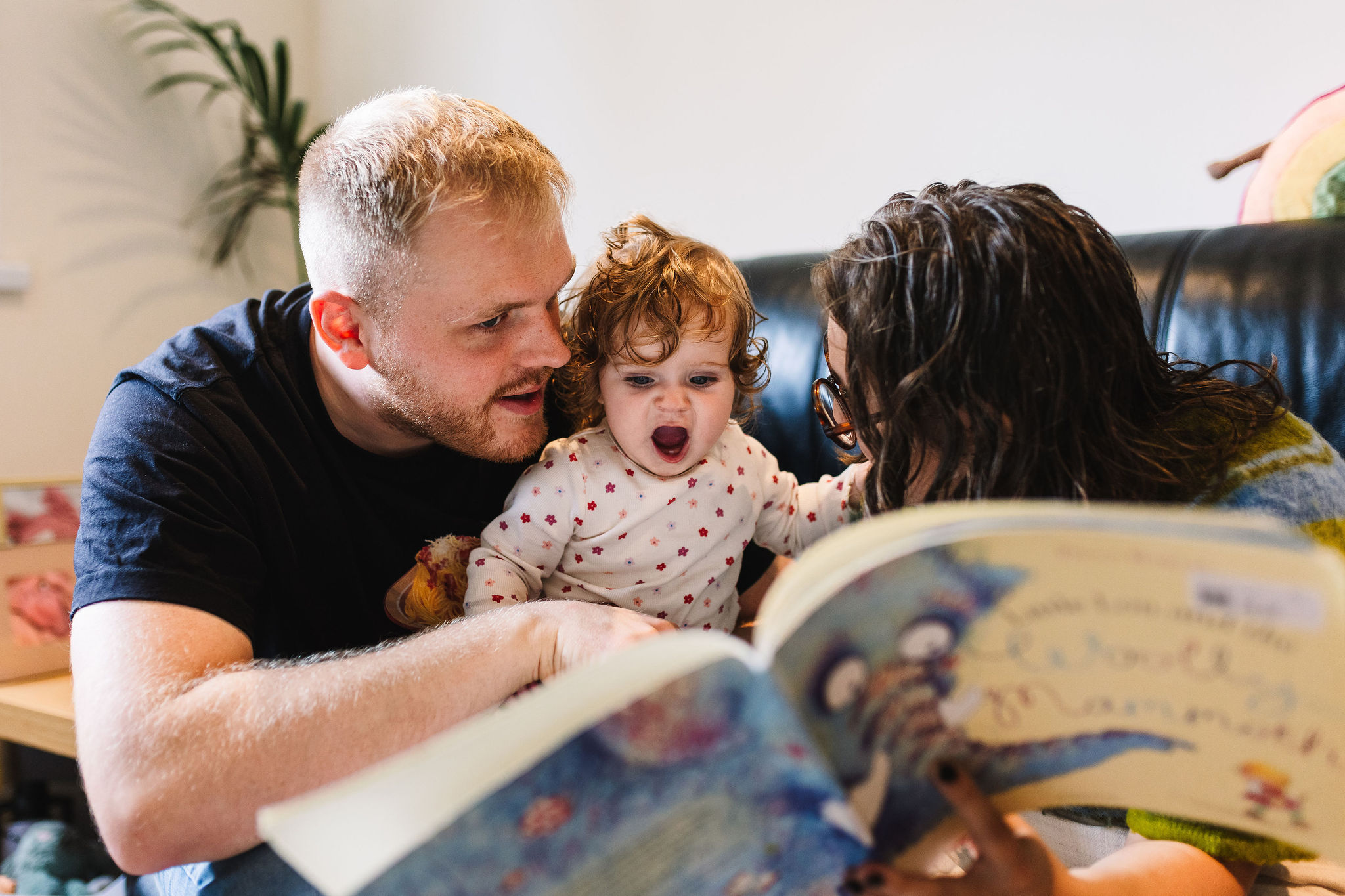
Read. Shared moments of meaning-making
Parents who understand their baby’s communication feel more confident and motivated to share books, pictures, and stories. Togetherness supports parents to create attuned, emotionally safe reading moments that build vocabulary and strengthen attachment.
Togetherness in practice for local authority, whole community benefit
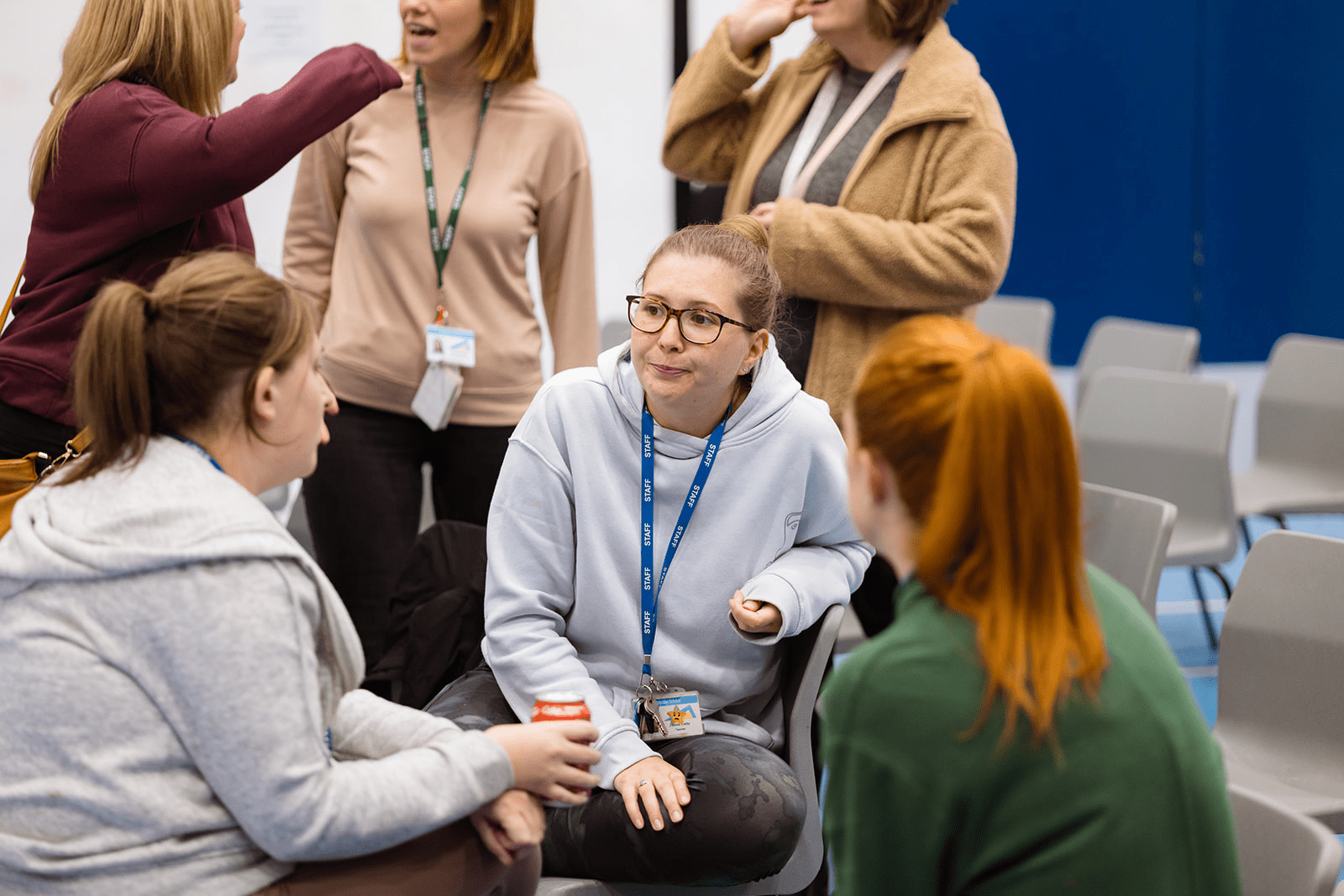
Workforce development: Practitioner training
Foundation and advanced level training in the model, shaped through practice experience over thirty years, introduces the importance of the back and forth of relationships from pre-conception, through antenatal to infancy and beyond. Practitioners are enabled to hone their observation skills and operationalise knowledge of the importance of early relationships by reflecting back to parents good examples of micro communication by the baby or child, thereby amplifying positive communication.
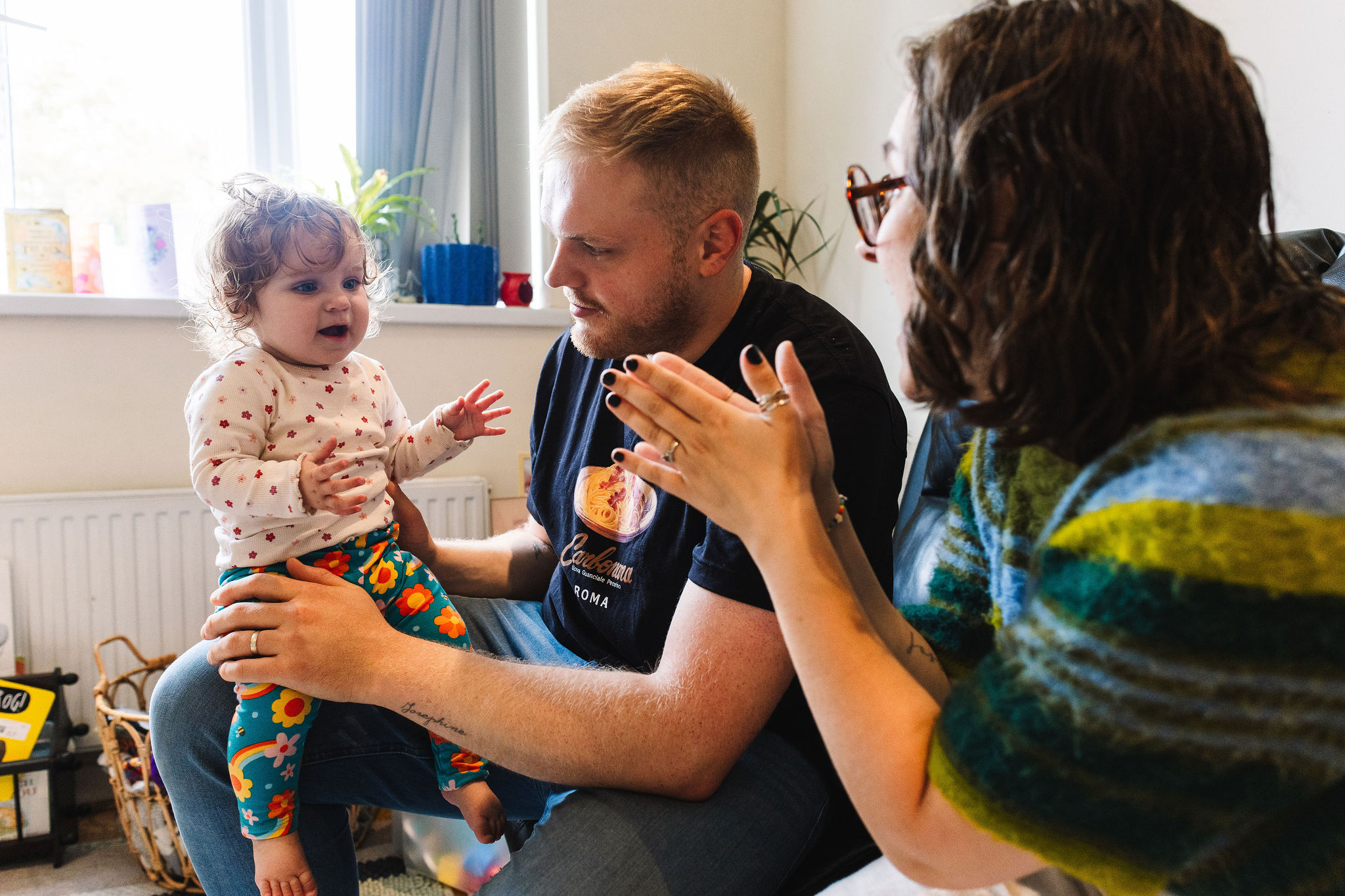
Online, accessible, self-paced learning for parents
Universal access learning pathways highlight the active role babies play in interactions right from birth and introduces child development with a focus on the importance of healthy relationships. An understanding of the importance of reading cues from the beginning of life provides a positive self-reinforcing loop as parents experience the sophistication of the babies instinctive communication abilities and growing understanding. This makes them more likely to talk to their child, empathise and identify appropriate practical activities.
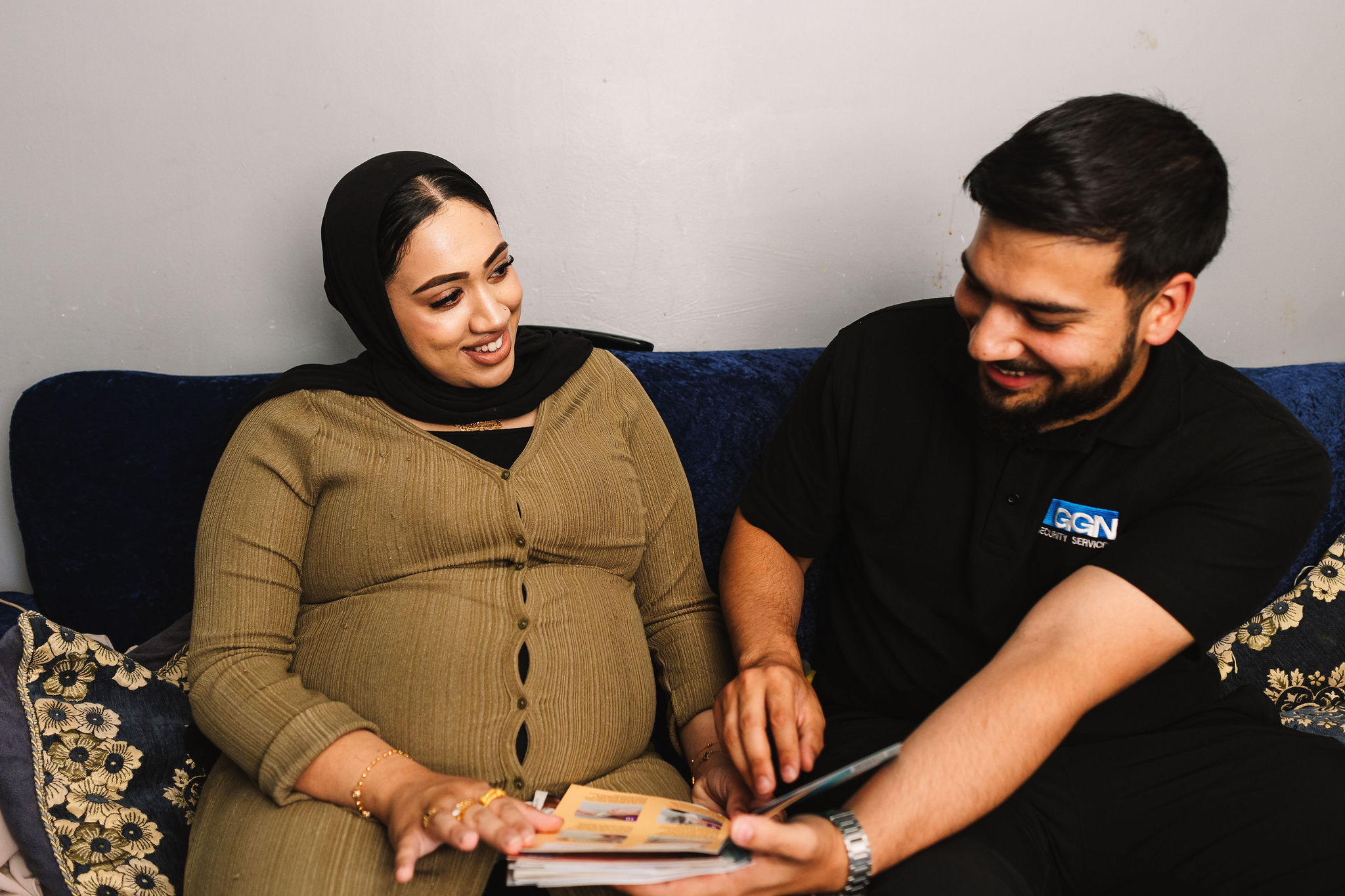
Parent groups
Parent groups delivered in community settings by trained practitioners introduce the same theories and ideas in a safe, nurturing environment benefitting from peer support.
Proven impact evidence
Peer reviewed published research
Over its thirty year history, the Solihull Approach model has been tested by practitioners, parents and communities. Published research confirms the improved closeness in relationships and the reduction in conflict, as well as significant improvements for child prosocial behaviour and the reduction of parent depression and anxiety.
Find out more about published research
NESTA
PaSCAL (Parenting Support Commissioning Assistant for Local Areas) Togetherness Ratings:
• Predicted impact on each child’s likelihood of reaching a good level of development: Large
• Predicted appeal to parents, based on our survey of over 2,000 parents: High
• Evidence rating (based on Foundations Evidence rating): Emerging
• Cost: Very low