Malaysian pre-school staff experience Togetherness
Malaysian pre-school staff experience Togetherness, as ‘kindness teaches kindness’.
We’re incredibly proud of our network of passionate ambassadors around the world, helping to support children and families to build healthy relationships and improve wellbeing. In Malaysia, an ambitious cultural shift in childcare has been launched by Raihan Mohamed, a family health and early childhood mental health specialist at her practice, Klinik Kenit.
A safe, loving and connected start
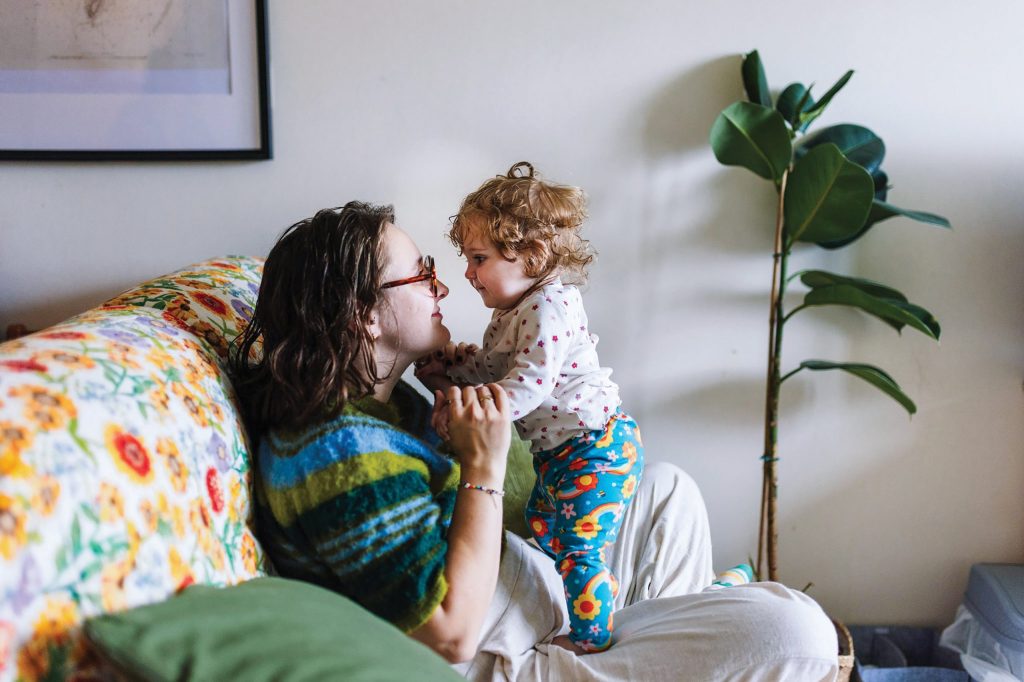
“Science has shown us again and again that children’s mental health starts with early relationships. A baby’s brain grows through connection, through being held, seen, and comforted. Infancy is really ‘mental health under construction’ and if we change the first five years, we change everything. In Malaysia, I speak to many parents who are tired, stressed, or going through their own emotional struggles. They love their children deeply, but they’re disconnected and may not realise that their parenting is often shaped by their own childhood experiences. Responsive parenting doesn’t come naturally if you didn’t grow up in a responsive environment. If you grew up in conflict, or being told to ‘toughen up’, it’s hard to suddenly become calm and gentle when you’re stressed. And that’s the reality for many Malaysian families. Parents are stretched thin, home becomes tense, and children are without adults who can help them calm down or make sense of their feelings, carrying that stress with them. This isn’t about blaming parents – it really does take a whole community to raise a child. But we have to remember that the foundation of a healthy brain starts early. Our culture has been one of ‘keeping it inside’ in previous generations, but we are seeing a slow shift from this belief, as parents’ worlds open up to different views and approaches on social media. In just the past year, we’ve seen more parents and practitioners becoming aware of social and emotional wellbeing, creating a growing demand for tools like Togetherness.”
Building a relationship-based approach
“In Malaysia, early childhood support has significant gaps that require a multi-sectoral approach. We need to empower parents with the tools and knowledge to provide nurturing care, while recognising that parenting can be difficult and parents need support too.
That is why relationship-based practice is so important to me. It means putting strong, trusting relationships at the heart of every interaction – connecting, understanding and responding to a child’s needs with warmth, respect and consistency. Because at the end of the day, connection isn’t just love. It’s also the science of growing a healthy brain.
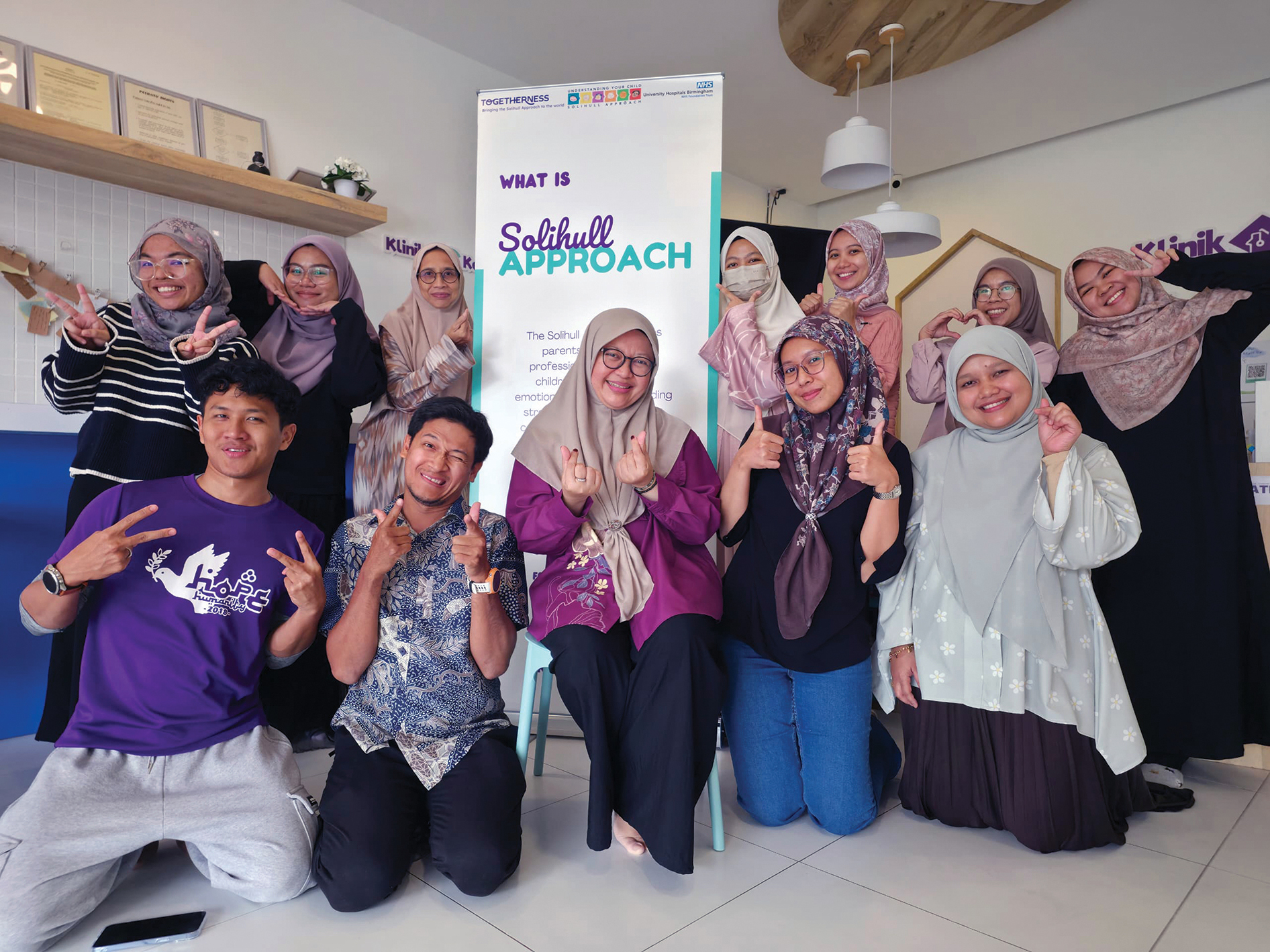
My paediatric practice, Klinik Kenit, is the country’s first relationship-based, social enterprise clinic dedicated to early childhood development and infant mental health. The clinic is a Togetherness licensed centre and the primary hub for delivery of the programme in Malaysia.
In 2025, we completed our very first cohort of Togetherness 2 Day Foundation Training with a group of pre-school teachers who had not previously received formal training in emotional wellbeing and children’s mental health.”
The impact of Togetherness
“The first feedback was overwhelming. The teachers loved the approach and began actively applying it. They felt calmer and more confident, and the children noticed the warmth. The classroom environment became more positive and encouraging. We have now delivered nine Togetherness cohorts, reaching around 75–80 practitioners across different settings. They include preschool teachers, early interventionists, occupational therapists, speech therapists, psychologists, managers and special-needs teachers. What has been particularly encouraging is seeing how the approach changes the way practitioners respond in the moment. They are pausing before reacting, using more relationship-based language and becoming more aware of containment, reciprocity and children’s social-emotional development.”
When children feel safe, they respond differently
“Children visiting our practice have been described as happier, calmer and more willing to follow instructions. With these relationships established, Therapists have also noticed shorter periods of crying and greater confidence involving parents in sessions. Some children who previously found it difficult to engage have approached practitioners more readily. Even non-verbal children have responded to that sense of safety and connection, showing their eagerness to be part of sessions. These small moments are powerful evidence for Togetherness’ success. They show us what can happen when we change the environment around a child. Early childhood development encompasses much more than basic learning. It’s about nurturing the whole child and supporting physical, cognitive, social and emotional development through good health, nutrition, safety, responsive caregiving and early learning opportunities. Every interaction is an opportunity to help children thrive emotionally and build that foundation for the future.”
Changing the experience for parents
“The same principles apply to parents and caregivers. We introduce parents to brain development, responsive caregiving and the importance of relationships. We want them to feel supported and empowered, rather than judged. That matters in Malaysia, where talking openly about emotions and social development is becoming more common; but emotional expression can still be guarded. Parents may worry about being judged as unsuccessful or ‘bad’ parents. Togetherness gives us a different way to have that conversation. It helps us understand what sits beneath behaviour and recognise that parents, just like children, need relationships in which they feel safe, understood and supported. Practitioners in Malaysia are now equipped to build their relationships with children and their caregivers, considering the child’s development in the context of their environment, experiences and emotions and responding to them in ways that help them feel secure, supported and capable. And by supporting and empowering parents or caregivers with this same security and confidence, they can also help their child to thrive.”
Driving the national agenda
“I’m incredibly proud that we have brought Togetherness to Malaysia through Klinik Kenit. Though my initiative is still small, operating within the setting of a social enterprise clinic, I feel we are powerful. I hope to continue driving this initiative forward, until one day it becomes part of the national agenda. It all started with a dream, and I’m humbled to see how far it has already come. When adults feel supported, understood and equipped to respond differently, children can experience safe, responsive relationships – that this is what relationships can feel like. That is the change I want to keep building in Malaysia.”