When a baby arrives early or receives specialist medical care, families can face huge uncertainty. Babies in neonatal care are growing and developing in a caregiving environment that is completely different to what their bodies, brains and families have come to expect. There are mixed – and often overwhelming – feelings for the adults and babies alike.

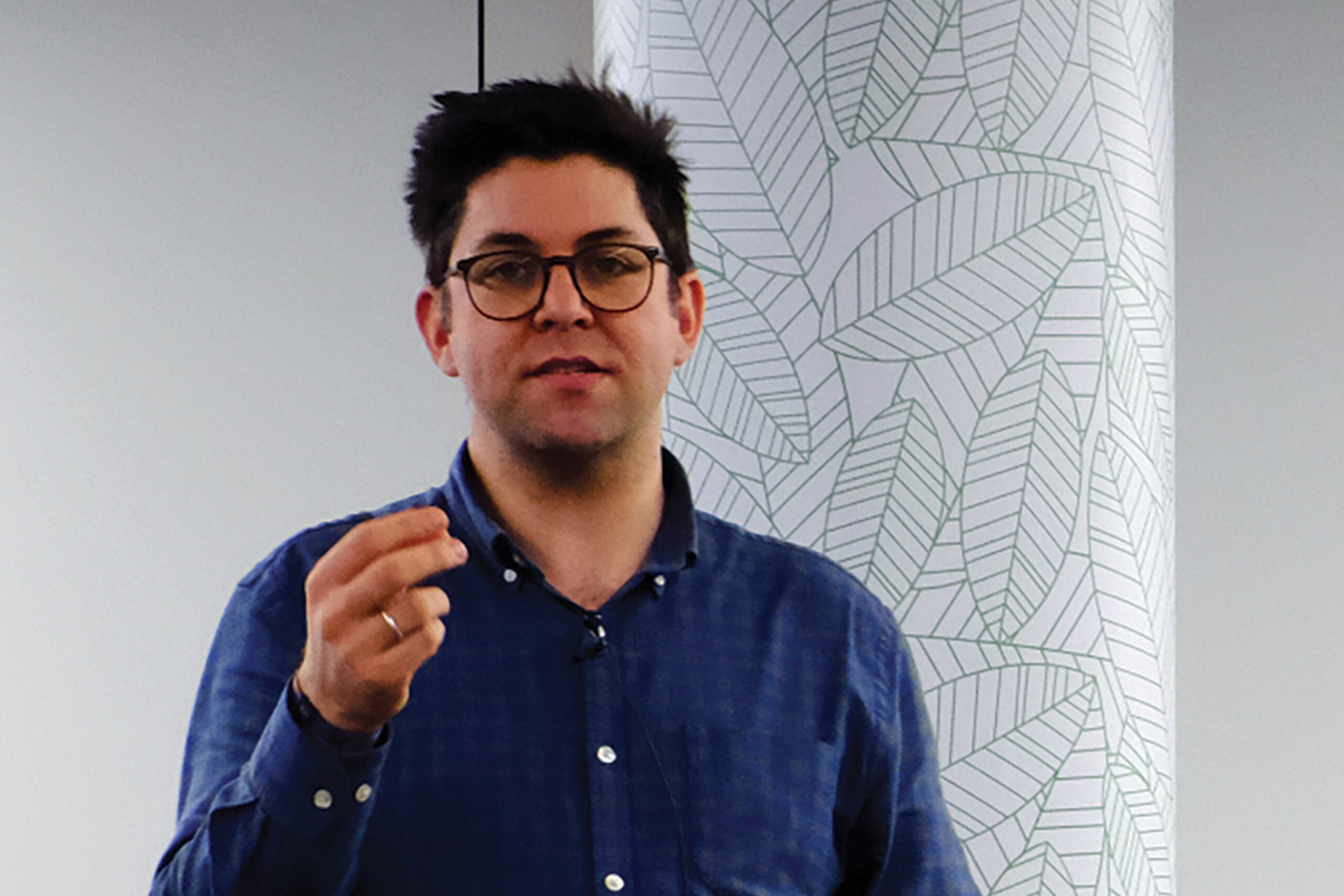
Responding to this need, our neonatal health specialists and clinical psychologists created Understanding your preterm or sick baby in hospital and at home: two tailored pathways to support them through the experience. Course co-creator, Davy Evans, a Consultant Clinical Psychologist who works in paediatric and neonatal services, developed the pathways alongside the Togetherness team, combining expert knowledge and practitioner experience to address the emotional needs of parents thrown into this journey. “For babies born early or sick, the neonatal period is a key time for development, new relationships, and for nurturing emotional health. This is also true for their parents. The environment of the neonatal unit, and the unexpected arrival of a baby who needs specialist medical care, can lead to very busy heads and big feelings for parents and family members. This can be overwhelming and might make it more tricky for a parent to get to know their baby. These pathways help parents navigate their way through this often overwhelming experience. They support parents to understand how their baby is growing and developing, and to form a bond with their baby that provides feelings of safeness, comfort and connection.”
One of the most helpful things that parents can receive is reliable, accurate information about their baby. This information can help families to feel more confident and also helps them understand and reflect on what is happening to them and their baby. This is why we developed these two Togetherness pathways. They complement the medical information that families receive, by focusing on the emotional wellbeing of both parents and their babies. And, they’re available to them anytime, anywhere.
“Complementing the available resources to focus on healthy emotional wellbeing development for children, we designed the pathway to be easy to follow and manageable in a parent’s own time.
The first course supports parents or carers whilst their baby is still in hospital. It encourages parents to find space in their own head, in amongst all the worries that are natural for a parent to feel in this situation. We help them to understand baby brain development in neonatal care, how to recognise cues for comfort, bonding, and sleep, explore feeding in the neonatal unit – whether through tube or breast – and build confidence in soothing and caring for their baby. The second course supports them once their baby is home, when they might be facing new challenges, as well as the joy that this new transition might bring.
These courses have been created with neonatal professionals, clinical psychologists, child psychotherapists, health visitors and, importantly, parents. They introduce the principles from the Solihull Approach model to put the relationship at the heart of care. Based on evidence and clinical practice, they’re there to manage the emotional pressures of premature birth or early illness as well as to support them to care for and nurture their newborn.”
“Even in these delicate early moments in the very medical environment of the neonatal unit, the safe, anchoring presence of an emotionally supported parent shapes a baby’s emotional security, coping capacities and brain development.”
This is a significant and formative chapter in a baby’s early life, and since its launch, collectively almost 650 people have taken part in the pathways. Ayesha Shahid is a Trainee Clinical Psychologist, completing the Clinical Psychology Doctorate at the University of Birmingham. Her Doctorate has investigated the impact of these pathways on parents and found that people completing the courses have reported improvements in their wellbeing and parenting confidence. “Over 400 people completed the ‘in hospital’ course and reported improved feelings of safety, calmness, support, hopefulness, usefulness, and closeness to their baby. Over 200 people completed the ‘at home’ course, reporting improved parenting confidence. This course, alongside the Solihull Approach model generally, is an evidence-based and theory-driven, supportive approach for parents. Through improving parental experiences, the course aims to be part of a preventative strategy for early intervention in child development. It is expected that if parents have better regulated wellbeing, they will be better able to connect and bond with their baby and meet the baby’s needs. Therefore, the baby may have better physical, mental, emotional, and behavioural development. If child development and wellbeing are better managed, the pressure on health and social care services may reduce. The pathway is created to provide an intervention at a universal level that any parent with a baby in neonatal care can take part in. Services can screen parents to understand where they are in terms of their wellbeing and levels of distress, and can direct them to the appropriate level of support – introducing the course at the most suitable time for the parent.”


The in-pathway feedback also showed:

92% of respondents found the course helpful

93% would recommend it to others

15% of participants, reported significant improvements
Feedback from parent
Davy Evans