
Eating disorders can affect anyone and cannot be identified by the way someone looks on the outside. They are no longer defined by actual weight but by thoughts, intent and patterns of behaviour. They can affect anyone of any age, gender or family makeup. As a parent, it is frightening and you will need support and lots and lots of ‘self care’, but recovery is possible and you may look back one day, with an even closer relationship with your child and lots of important learning under your belt.
The moment you first realise
Maybe you’ve had a niggling feeling, you’ve noticed your child isn’t eating everything, is skipping meals, you may (or may not) have noticed a change in appearance. You put the worries to the back of your mind. You nag a little, try to be strict but it doesn’t work and may even push them away. Then comes the moment when you realise they’ve not eaten a thing all day. There’s a sickening, stomach flipping, unavoidable moment of recognition: you’ve got a problem on your hands. At the very least this is what is described in the literature as ‘disordered eating’.
This is the moment to talk to someone, a friend, a partner – you may be tempted to try to push it back in its box and ignore it but naming it, as scary as that may feel, is the first step to getting both your child, and crucially too, you, some help. Perhaps there is a more gradual dawning. Maybe you hope it’s going to be a fad or phase and that they will come through it naturally.

“It may be that you stay in this place for a while, but sooner or later the wave after wave of recognition builds and before you know it you feel like the bottom of everything you thought you knew about parenting has dropped away and you are free falling, tumbling, not knowing which way is up.”
‘Containment’, a type of listening support to help someone process their emotions, for example worry, so that they do not feel overwhelmed and therefore have the capacity to start to think about the situation, is as important for you to experience as a parent, as it is for you to be able to offer your child. In order to be there for them, you need to feel some level of ‘containment’, so reach out to friends and family and/or support charities such as BEAT as soon as possible. You will need this containment over and over again.
Starvation is numbing and addictive
It is important to know that Eating Disorders are classed as a severe mental illness. A scary phrase but not one to be frightened of. Remember, recovery is very possible especially when help is sought early. This classification can validate the importance of taking disordered eating very seriously and can explain why things can spiral so quickly, almost without the affected person realising.

“I thought I was in control but before I knew it, IT had control of me.”
What the label really means is there is an interaction of the bio- psycho- social systems. As a parent, you may find it helpful to know that starvation is numbing; ‘don’t eat; don’t feel’. This is a protective evolutionary strategy to help cope with a shortage of available food (bio), but when interacting with feeling overwhelmed by emotions (psycho) serves a useful function of protecting against pressures to be a certain way e.g. thin, successful, beautiful, etc. etc. (social). Starvation is also highly addictive (bio) because endorphins are released which create a sense of ‘clean’ and ‘pure’ energy.

“A feeling of control, of shrinking your world to one where you know what to focus on i.e. not eating, can also play a role.”
Starvation also leads to rigid thinking, which in turn reinforces the focus on not eating. This is a powerful self-reinforcing cycle and spiralling down is a more likely outcome than not.
Foundations of emotional health
The task of learning ‘emotion regulation’ skills is a universal one. These skills are the foundations of lifelong emotional health and well-being. Children develop them from infancy, and throughout childhood, through interactions with the adults in their life. For many adolescents, a time of chaos in the brain and body, feelings can once again become completely overwhelming. For some, this is the invitation into numbing, controlling, starving as a (albeit maladaptive) way to cope. At some point on the journey to recovery therefore, an upgrade of their emotion regulation skills will need to be learned.
After the onset of an eating disorder the first step is nutritional recovery and stability, then comes a really scary time for the young person who will start to think and feel again. Just like when they were little, they will need a lot of support to develop healthy strategies for coping with overwhelm. Parents again have an important role to play. It is important to have faith that, just like supporting a toddler who becomes overwhelmed, a) you matter; your non-judgementalism, containment and presence are a lifeline for them, though they may not show it, and b) things will get better. This is a time of brain reorganisation and, crucially, growth. It may feel like a regressive developmental step just when you thought they’d be developing their independence, but they will emerge into maturity eventually.
Seeking support early
It may take a couple of attempts to convey the necessary information for a referral to be either made onward to specialist services, or to be accepted by those services. Again, processing emotion so that you can keep thinking and planning – and advocating for your child, are key. Don’t be put off, your parenting instincts and the learning you have done so far are worth listening to.

“Understanding things from your child’s point of view can be really hard, especially when you feel you are losing them, as they shut down and resist your efforts to engage, sometimes passively, sometimes angrily or even at times, aggressively.”
This is why it is important to learn as much as you can about the experience of other young people. This will help you tune into the experience of your child (reciprocity) and may help you read their, albeit subtle, cues. There are many reasons why people develop an eating disorder, but due to human physiology the effects once the addiction kicks in are fairly similar across the board. Food becomes feared, so it’s important to respond to the anxiety rather than only the stubborn behaviour that comes with it.
It is also important to be aware that eating disorders are quite common in autistic people. This may be the crisis that leads to a new understanding of your child’s needs. ‘Disordered or restrictive eating is often the first sign of autism in a person who does not have their neurodivergence recognised.’
Prevention is better than cure
Messaging about being overweight being aesthetically undesirable (‘fat shaming’) comes in many guises. When thinking about prevention, especially when your children are little, it is important to notice the subliminal messages we give them. Try to keep your own body insecurities to yourself. Talk about fun foods rather than treat foods (which can imply they must be earned for some merit or other). Talk about a balanced diet with everything in moderation rather than assigning values e.g. ‘bad’, ‘naughty’, to certain foods. Swap the word ‘fattening’ for ‘healthy’. So, for example, rather than ‘Don’t have those crisps they’ll make you fat’ try ‘these crisps are fun to eat but they won’t help our bodies be healthy if that’s all we fuel it with, so how about some carrot sticks/apple/etc as well.
Judgement of others (even behind closed doors) can be turned inward by developing brains; ‘well if you think that way about them, what do you really think about me?’
Hope
Remember when you had your first baby and after the first few days and months you felt like you were winning at parenting? Because you’d managed to keep them alive!
Having a child ‘choose’ to deny themselves food and put their life at risk, perhaps even feeling they no longer want to live, challenges a fundamental part of your identity as a parent. It is going to be a hard journey. However, your steady presence, connection, containment and reciprocity are going to be your tools as you support them to slowly choose a different path. Self-care and reaching out for the right support is critical.
Recovery is certainly possible and it can be helpful to read stories of other people’s healing process. You may not choose to go on this journey but it will take you to some interesting places of deep discovery and personal growth. Being agile in your parenting and open to learning and adapting are key.
Recommended resources
Beat Eating Disorders Charity
To learn more about eating disorders and finding help. Beat encourage early referral via the GP. This guidance for GPs is useful to take with you to that first appointment.
Anorexia Family by Eva Musby
Eva Musby has supported thousands of families and practitioners. She talks about a bungee jumping metaphor in which she explains how anxiety drives the relationship with food.
The full bloom podcast
Body positive parenting wisdom for busy parents.
Information about autism and eating disorders.
togetherness.co.uk Emotional health learning for parents.
Learn about containment, reciprocity and reading behaviour as discussed in this blog following an online learning pathway on understanding childhood. All of the pathways in this portal have been developed by Togetherness.
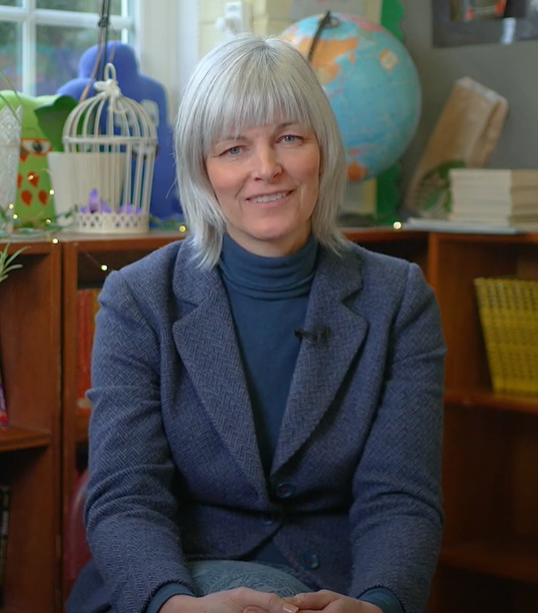
Dr Rebecca Johnson
Consultant Clinical Psychologist, Togetherness Development Manager