Encouraging Muslim mothers through tailored Togetherness
Adapting to the cultural and religious needs of an Islamic community.
With a 20-year history of collaboration, First Steps Community CAMHS and Ihsan Children’s Centre are continually learning from their diverse communities to tailor mental health services, ensuring their voices are heard, the community is directly involved, and cultural and religious sensitivities are observed.
Developing a faith-based model
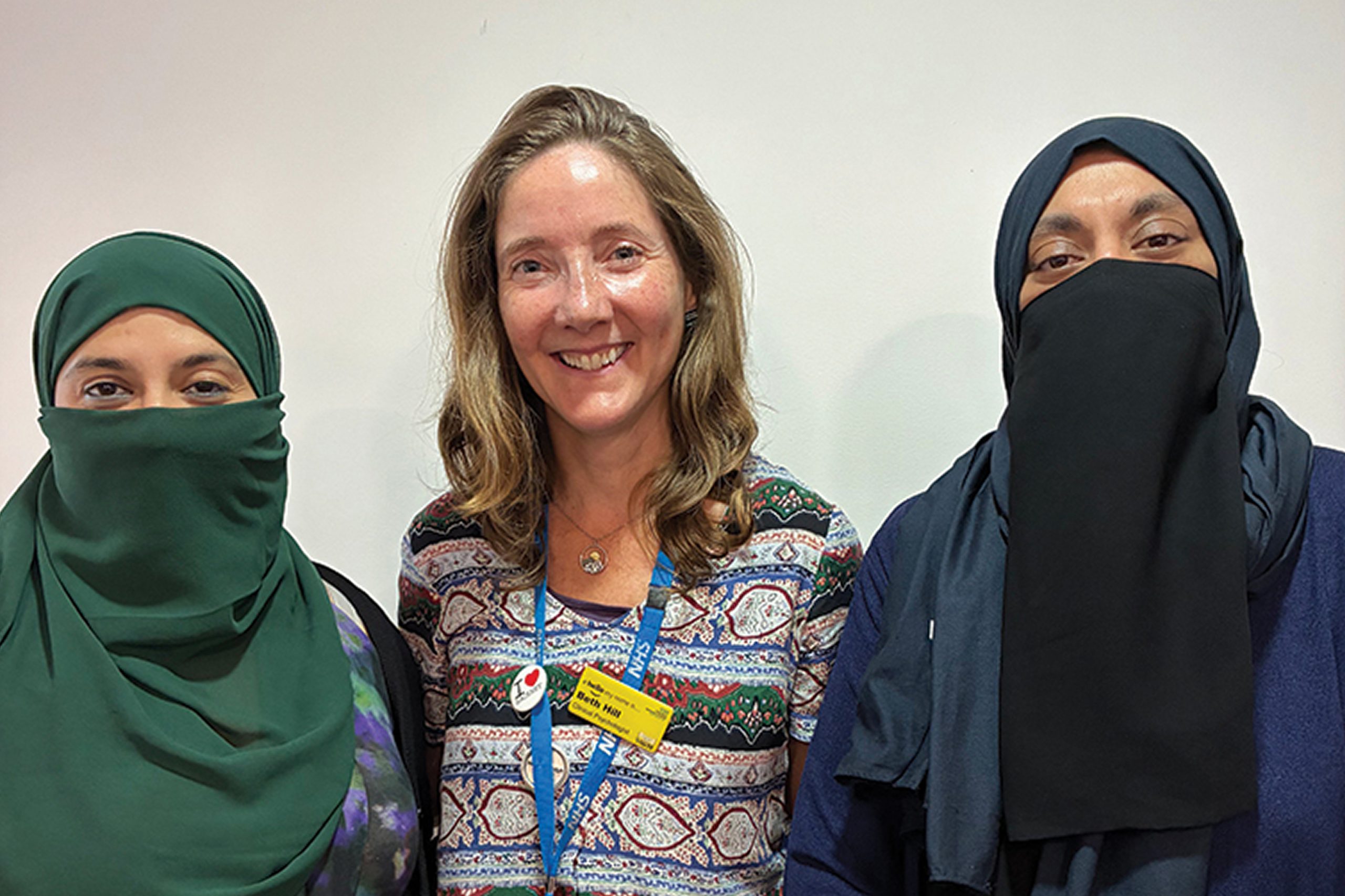
Alongside the successful implementation of Togetherness for Jewish Orthodox communities, teams have also adopted the model to develop a parenting offer that meets the needs of the local Islamic community, including providing a safe space for women to meet and discuss parenting issues without judgement or discrimination. Building Islamic teaching into the sessions, they provide tailored, culturally sensitive and appropriate guidance for Muslim parents in separate mother and father groups. Salmah Kansara and Asma Gajia are Services Managers, whilst Rumana Alibhai is an Early Years Practitioner, at Ihsan Children’s Centre, delivering a range of services for families with children aged 0-19. They have been working with Dr Beth Hill in First Steps Community CAMHS to deliver the ‘Understanding your child: from toddler to teenager’ parent groups, incorporating Qur’anic teachings. Asma: Salmah:
The Togetherness principles are universal, so when we began considering this faith-based focus, we knew there was nothing we needed to remove. Instead, we added Islamic perspectives to the existing content, making the workshops something that parents could immediately recognise and relate to.
This was a collaborative process, drawing on the knowledge of our team, Islamic scholars – of which I am one – and members of the community. We added relevant verses from the Qur’an, Hadith and stories of the Prophet Muhammad, checking the content carefully for accuracy and appropriateness. Parents also bring their own knowledge and experiences into the sessions, so the programme continues to develop organically.
For example, when we talk about play and its importance in children’s development, we explore how the Prophet played with his grandchildren. We don’t replace the content; we build on it, adding Islamic perspectives where they are meaningful.
We also created space for what we call Qur’an reflections. These provide an opportunity to connect the themes of the sessions with Islamic teachings, while allowing parents to reflect on how those ideas relate to their own lives and families.
“By encouraging reflection, building confidence, and providing opportunities for meaningful discussion, women discover common ground and a sense of belonging.”
Asma Gajia
Creating a safe space
Salmah: Asma: We have created a welcoming and supportive environment where women feel safe to open up about difficult life experiences. Through a sensitive and flexible approach, we have supported mothers affected by bereavement, relationship breakdown, migration, and other traumatic events. By encouraging reflection, building confidence, and providing opportunities for meaningful discussion, women discover common ground and a sense of belonging. What often unites them is their shared faith, which provides strength, comfort, and connection.
The success of the programme lies not only in the parenting content delivered, but also in the nuanced approach taken to creating a welcoming, safe, and supportive environment where parents feel able to trust one another and learn through relationships, as well as through the course material. By modelling the principles of the course in the way we engage with parents, we create a sense of safety and belonging that encourages openness. As parents begin to share their experiences, it is powerful to see the mutual support, understanding, and encouragement that develop within the group.
As trust develops between the parents and facilitators, conversations often extend beyond the initial reason for attending. While many women join seeking advice on issues such as sleep routines, behaviour, or screen time, over the course of the ten-week programme they begin to share more personal experiences and challenges.
Building women’s confidence
Salmah: Beth:
It is incredibly important for Muslim women to have a safe and supportive space where they can come together to discuss parenting, share their experiences of racism and discrimination, and reflect on how these experiences affect them, both as individuals and as parents raising children in that context. Over the years, I have seen the transformative impact of these conversations. Many women join the group having had few opportunities to connect with other women or take part in a supportive group setting. As their confidence grows, they begin to recognise their own strengths, find their voice, and see what they are capable of achieving.
Some women who have attended the course have gone on to volunteer within the centre, or to employment. Rumana, Asma and Salmah are all role models to the other women in a way that is incredibly powerful. They represent something as parents, as grandparents, but also as working women.
Responding to what families need
Asma: Salmah:
The relationships we build through our parenting groups give us valuable insight into what families need beyond the programme itself. The groups are part of a wider network of support – we listen to mothers, learn from their experiences, and use their feedback to shape the support and services we provide.
Technology and online safety are increasingly important concerns for parents. We discuss these issues, but we recognise that some subjects need more time and specialist input. If a discussion highlights a need, we can respond by bringing in another organisation or arranging a separate workshop.
“Immediately introducing a safeguarding course would understandably concern parents. They are much more likely to engage with an additional service when it comes through a connection they already trust. This gentle encouragement and these small differences matter. Parents are not made to feel that they have done anything wrong. Instead, they are offered an additional layer of support at the right time, building on their existing strengths, knowledge, and parenting skills.”
Continuing community impact
Rumana: Asma:
Families also access a wide range of other services at the centre, from youth provision and advice surgeries to family hub activities and our over-55s lunch club. We see the Solihull Approach model woven throughout these different services, conversations and follow-up support. This creates continuity, allowing conversations that begin through parenting support to continue across different stages of family life. We have seen families return to ideas explored during the programme years later, enabling us to build on those conversations as their children grow and their circumstances and needs change.
Our achievement lies in creating a trusted space where parents can build confidence, learn from one another, and connect parenting knowledge with their faith and lived experiences. Togetherness is at the heart of what we do, providing a strong foundation for building knowledge, relationships and support that reflect the needs of our community. By listening to families and learning from their experiences, we ensure the service continues to evolve and grow alongside them.