Parenting groups for a marginalised community
Reflections from a project delivering Togetherness parenting to Jewish Orthodox parents.
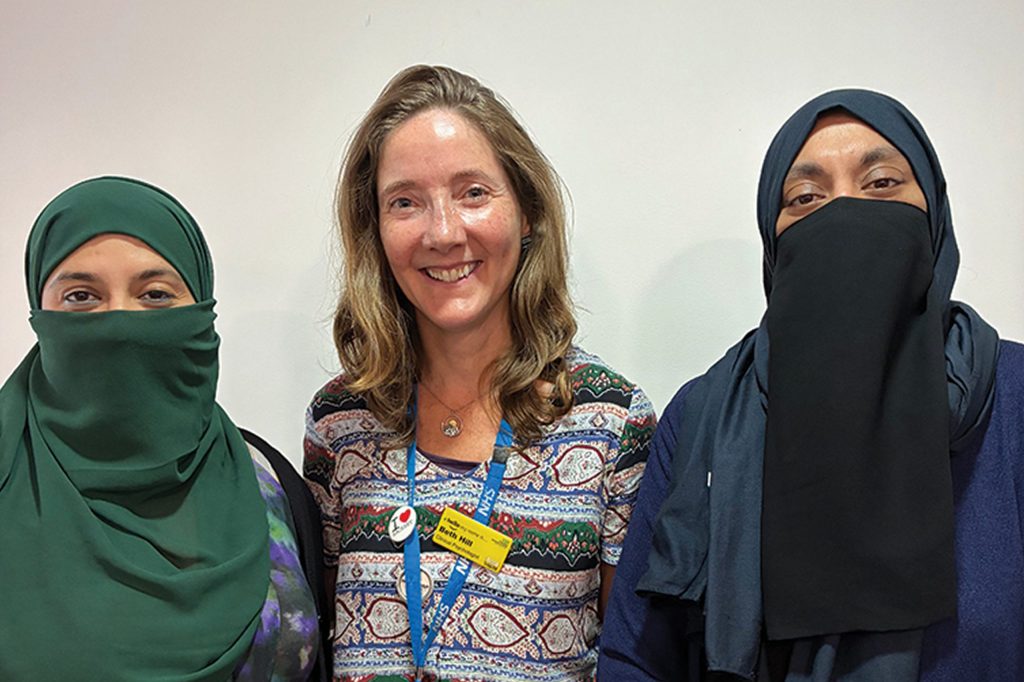
Dr Beth Hill and Berocha de Lange first met in Hackney while working under the original Sure Start schemes, developing a partnership and friendship that spans almost 20 years. Beth is part of the First Steps Community CAMHS team in Hackney; Berocha is a parenting practitioner who, with her husband Daniel, runs Koach Parenting. Together, they adapted the Togetherness parenting group to reflect Jewish cultural values and religious aspects of parenting, and have delivered the Understanding Children’s Behaviour group since 2014.
The community need
Beth: We initially began training a small group of pioneering Orthodox Jewish women – colleagues including Berocha – in the Foundation, then a smaller group in the parent group training, and from there began our parent group. We embedded the model, and we continue to honour it as we cascade training in both the Orthodox Jewish community and to other professionals, disseminating the model across Hackney. Berocha: Beth: Berocha:
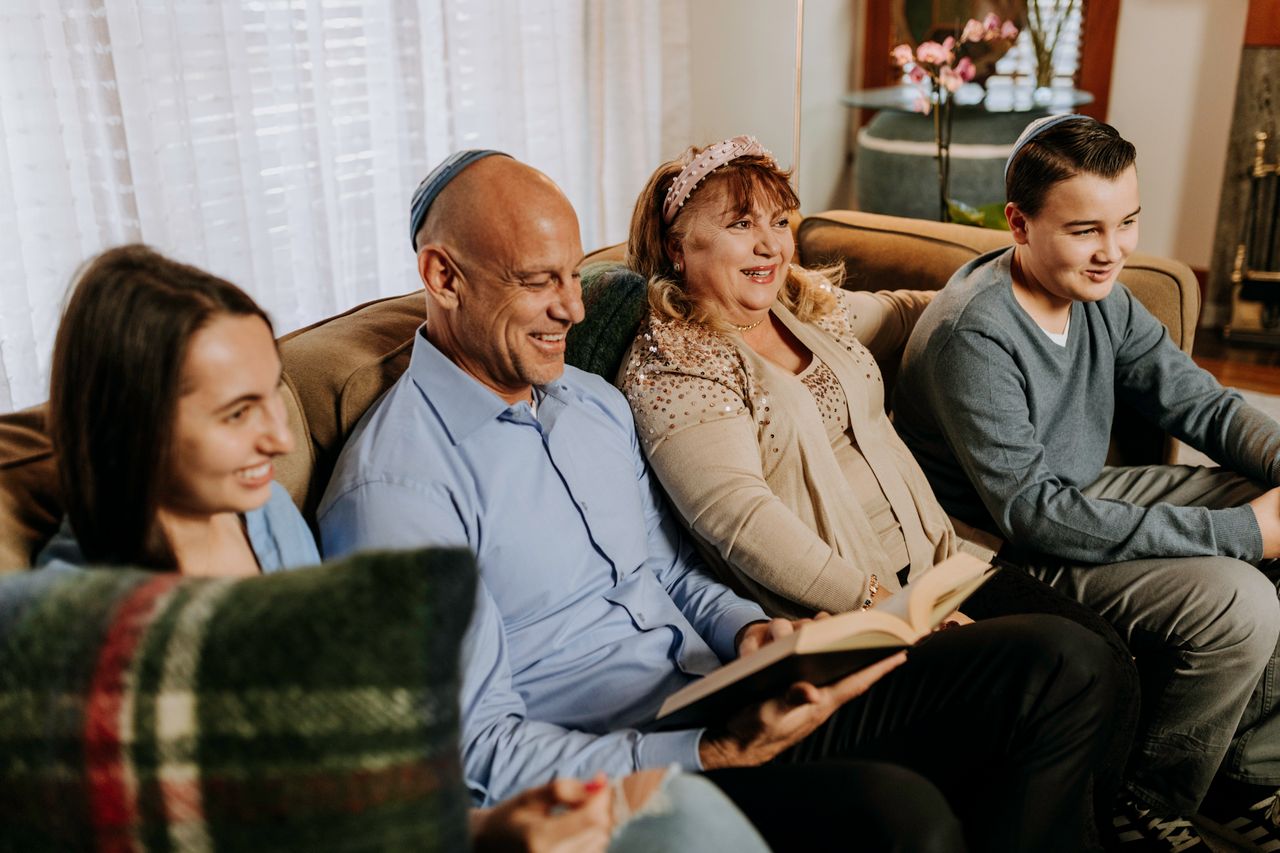
Stamford Hill is a diverse community with many branches of Orthodox Judaism and many cultural nuances. CAMHS services were often hard for families to access, and generic mixed groups weren’t suitable for many Jewish families. Families live according to Halachic (Jewish) guidelines, hugely signifcant to family and community life, so we wanted an offer that drew from those important principles.
It used to be that going to a parenting group was taboo – you went because there was something wrong with you or your child. We were clear that our group brings together a mixture of people with different parenting needs, some with more significant issues. We had to build trust, especially when recruiting mothers to our first groups, with a non-Torah-based programme and a non-Jewish person in the room. It’s taken that trust to challenge those perceptions, but they are changing.
One of the most striking things is the high attendance. Community groups are often oversubscribed, and usually everybody who starts, finishes. That is quite unusual for groups for parents. There is something about the group feeling safe and culturally appropriate and therefore feeling safe that is deeply meaningful for people.
We routinely use standard outcome measures and share the results with parents at reunions, so they can see the change too.
This early intervention supports parents along the journey. Sometimes people join us as one-to-one clients years after attending a group. There is a lot of trust in the Solihull Approach model. It helps mothers feel comfortable quickly and, with its focus on containment, creates a safe space where they feel able to voice their thoughts.
“It used to be that going to a parenting group was taboo – you went because there was something wrong with you or your child. It’s taken that trust to challenge those perceptions, but they are changing.”
Proving value and building local expertise
Berocha: Beth:
My husband, Daniel, was the first man to receive the training, helping us extend the offer to fathers, as we don’t have mixed-gender groups in the Jewish community. From that initial training we set up Koach Parenting, using the Solihull Approach model with a Torah perspective, and Beth remains our clinical supervisor.
Through the partnership, Koach Parenting also emerged as a new charity, providing free services to families. It has become so much bigger, and it’s been a privilege to watch this happen.