
Home
> About Us
> Togetherness impact stories
> All impact stories
Helping young people understand their changing brains
How SSAFA is embedding Togetherness into school health in British Forces Cyprus.
In British Forces Cyprus, SSAFA’s Community Health Team provides school-based health services focused on prevention, wellbeing and early support for children and families. Delivered in familiar school settings, the service helps make conversations about health, development and emotional wellbeing more accessible for young people and their parents living overseas.
The Military families community
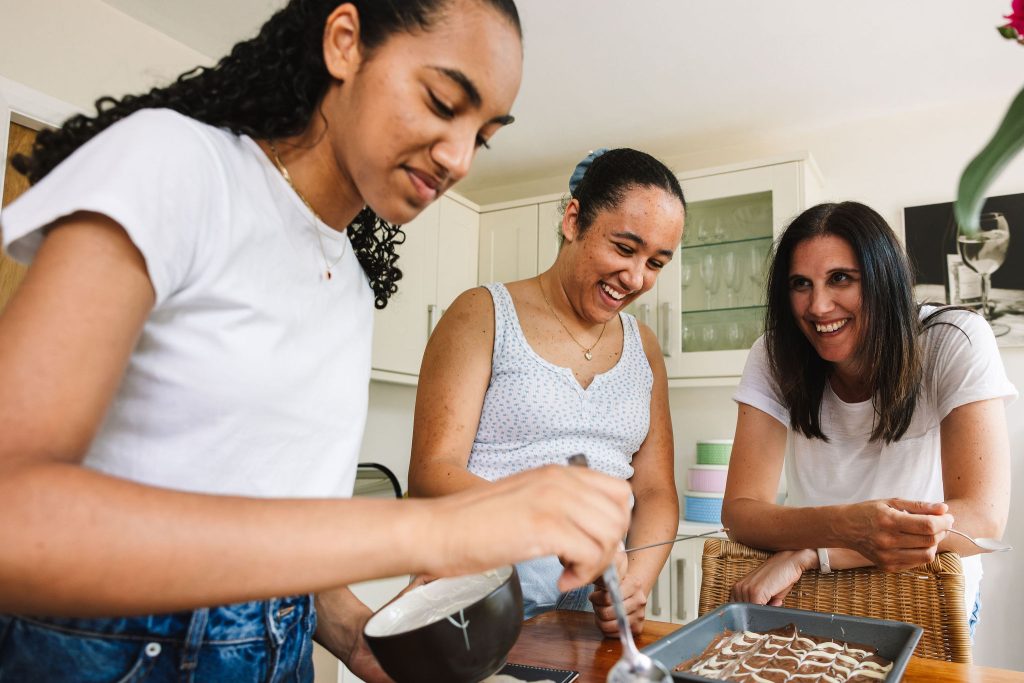
British Forces Cyprus is a distinctive environment. SSAFA Community Health supports military and entitled families across bases including Akrotiri, Ayios Nikolaos, Dhekelia and Episkopi. The school health offer reaches children and young people in British Forces schools and serves a mixed community of service families and civilian defence families, alongside some local pupils from Cyprus. Last year SSAFA adopted the Multi-user Licence for online learning resources providing unlimited free access to the series of emotional health learning resources. Craig Johnson, Specialist Community Public Health Nurse and Clinical Advisor for School Health, describes how Togetherness underpins his community work.
Conversations about Togetherness
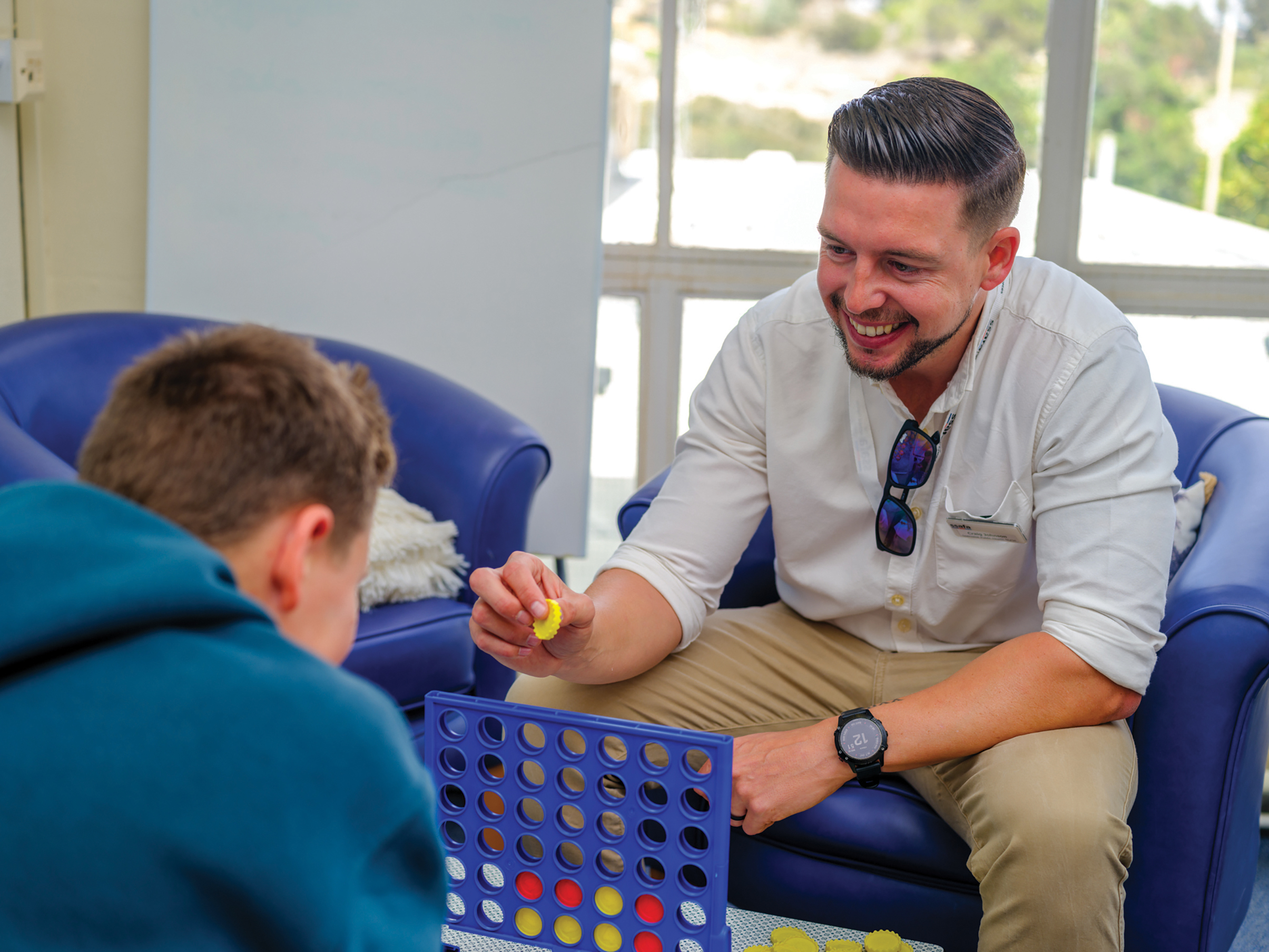
“The Solihull Approach model is used as a foundation to reframe conversations with young people, parents and teachers. In the weekly secondary school nurse drop-ins, young people attend independently or with a parent, often bringing concerns about friendships, low mood, bullying, self-harm, sleep, vaping, or stress. Togetherness principles support these families with containment and reciprocity helping them to connect with the best strategies to fit their personal story. When engaging directly with teens, I find the science behind brain development most helpful as a starting point. I explain the role of the amygdala and prefrontal cortex in simple, accessible language: the amygdala as the accelerator of emotion and the prefrontal cortex as the developing brakes. This gives teenagers a way to understand big feelings, impulsive decisions, misreading social cues and difficulty with organisation or planning. I explain that adolescence is the second biggest stage of brain development: Here is why you might feel this way. Here is why you might do these things. It is not an excuse, but now you are conscious of it, you can begin to rationalise it, be more aware and adapt where needed.”
Togetherness for the classroom
“Our community health team now delivers the online pathway for teenagers, Understanding your brain as a series of classes in the Year 9 timetable. Year 9 pupils sit at a key developmental point: some are already immersed in adolescence, while others are just entering that stage. I work closely with the school’s PSHE lead and now have an established programme delivered over three sessions. We’ve seen really great results in the awareness and behaviour of these young people. It’s helped us to have conversations we otherwise wouldn’t have had in a standard PSHE or biology lesson. The pupils explored sleep, friendship misunderstandings, emotional reactions, fear of rejection, digital communication and the difference between understanding brain development and avoiding responsibility.”