Category: Physical and emotional health

  • Navigating parental decisions: vaccinations and other health choices

    Parenting is a journey filled with big and small decisions every day. From choosing the right school to what to feed them and how to keep them safe and well, each choice shapes your child’s future in some way. So it’s easy to be overwhelmed or feel anxious. One of the most common areas of difficulty for parents is the uncertainty of health-related decisions: deciding to vaccinate your child is a decision all parents face and for some, more complicated health decisions need taking too.  

    It’s normal to feel a sense of anxiety when facing such pivotal choices. In a world flooded with information, sometimes these emotions can feel overwhelming and we all know that making decisions under pressure is hard. So how then can you make confident decisions in the best interests of your child and family? 

    When you think about making decisions about health, it can be helpful to use the following guide; designed to help you recognise your own feelings and make the right decisions for you with confidence. 

    Begin by gathering reliable information from reputable sources. Consult health professionals, whether it’s a Health Visitor, School nurse, or GP, and explore official NHS or professional health websites, and read scientific studies. Be cautious of misinformation on social media and look for evidence-based resources which have been published in reputable sources such as research journals or professional institutes. Look behind the headline as the facts may be very different.

    Talk to other parents, family members, and friends who have faced similar decisions. Share your concerns and listen to their experiences. This exchange of perspectives can offer valuable insights and help you feel more supported in your decision-making journey. Talking is also really important for understanding your own emotions and restoring your capacity to think clearly. But remember, we each might have our own opinion for our own reasons and that what suits one person may not be right for another or your family.

    Attend appointments with your child’s healthcare providers with prepared questions so you can check information you have found and fill in any gaps. Your child’s healthcare provider will be able to provide more personalised advice based on your child’s medical history and current health.

    Once informed, you can work out the different options you might have, remembering that not acting is also an available choice. Not taking action has consequences like your other options, so for decisions like vaccination, understanding the risks associated with preventable diseases can provide a clearer perspective.

    Parental instincts are powerful and they are developed over time as you get to know and understand your child, but it’s essential to validate them with factual information. Trust your gut feelings, but ensure they align with the evidence and guidance provided by healthcare professionals. This balance and finding a way to make sense of the information you are receiving without being overwhelmed by it will allow you to make decisions with confidence.

    Parenting is a journey filled with uncertainty and making decisions that impact your child’s health can be particularly challenging. Remember, you’re not alone on this journey and informed decisions lead to a healthier, happier future for your family. 

    Health Visitor, Togetherness Manager

  • Five things to protect your mental health

    We all have mental health to look after in the same way as caring for our physical health. Here are our five ways of protecting your mental health.

    Talking about feelings can help make sense of them. Keeping feelings quiet or hidden may lead to them becoming overwhelming.

    Being curious about where they come from can help process and manage the bigger, more difficult ones.

    Increasing the oxygen to your brain can help bring your emotions into a range you can tolerate better.

    Find out about trauma, anxiety and other areas of mental health so that you can look out for signs and understand your mental health. Take a look at our Pathways Library to support your growth.

    Connecting in relationships that make you feel heard takes care of your emotional health.

    Togetherness is here for universal, preventative mental health awareness. We hope to support everyone to learn skills for lifelong emotional wellbeing which will help protect mental health. Find out more about what we do to support everyone to thrive here.

  • Positive co-parenting: Handling conflict when you’re no longer with your children’s other parent

    Even if you’re no longer together, positive co-parenting is important for children and their longer-term wellbeing. Clinical Psychologist and Child Psychotherapist, Dr Hazel Douglas MBE, shares her thoughts on resolving conflict when you live separately. 

    Separation is never easy—especially when children are involved.  Co-parenting after a breakup can stir up deep emotions for everyone involved. But the importance of being able to work together to parent your children remains paramount and will help nurture their emotional health as they grow into adulthood. Despite it being hard, it is possible to co-parent positively, even in the face of big feelings. From my experience working with families, I’ve put together some thoughts which you may find helpful when beginning your journey into co-parenting.

    Before anything, it’s vital to check in with yourself. Experiencing conflict with a former partner can easily trigger all sorts of big feelings, including anger, sadness, grief or guilt. Don’t underestimate these big feelings and their impact on your emotional health. The key is to process these feelings in a healthy way.

    This is where finding a trusted adult is important, someone who can provide a containing experience that will help restore your capacity to think. This may be one of your adult friends, a family member, a therapist or counsellor. Someone who you feel comfortable sharing how you are feeling with, who can feed back in manageable chunks what you have shared. This process of containment can help you see that, ‘If someone else understands my worry then it must be understandable. If it is understandable then I can begin to understand it and maybe manage it myself’. Which is a really positive place to approach co-parenting from.

    However, it’s important not to place this responsibility on your child, even if they seem mature or curious. Children are not equipped to process adult relationship issues, and expecting them to ‘contain’ your pain, consciously or not, can blur parental-child boundaries and could lead to increasing their anxiety.

    Remember, you cannot pour from an empty cup! So being well supported by a network of friends and family to process your own feelings can help you be more resilient and compassionate for your child.

    However, even if you personally feel devastated and even if it’s difficult, it’s important to keep a space in your mind for being a parent.

    Sometimes, co-parenting starts from a place where no communication is present or even seems possible.  You are likely to have many issues with each other. But you are both still parents to your children. You may have lost your relationship as a couple, with all the feelings that will involve, but you are still co-parents. So, in the midst of very strong feelings, how can you both manage to communicate with each other so that you can parent your children? Here are a few practical suggestions for opening up communication:

    • Avoid the temptation to blame, use sarcasm or language that could have double meanings when speaking or texting. Instead, neutral, clear language can help communication remain practical without stirring emotions.
    • Don’t focus on the history between you. Instead, try to keep communication about practical topics. For example, schedules, needs and logistics about picking up children from school or who they’re staying with on which weekend.
    • Sometimes ad-hoc communication can cause further difficulties. Instead, try to agree on a set day and time you check in with each other over the phone or text, which can help you both avoid those unexpected flare-ups.
    • Don’t leave communication to chance. Instead, try to agree early on about key routines, such as who has the child when, how holidays are handled, and how you’ll communicate with schools or doctors. Writing these down can also prevent misunderstandings in the future.

    In situations where emotions feel strong, you may find it helpful to ask yourself: ‘What’s best for my child right now?’. This can help reframe the situation back to the goal both you and your former partner want.

    Whilst you may still be processing the separation yourself, it can be helpful to imagine how your child might be feeling.  The age and stage of your children will impact where they are in their emotional development, however, it is common for children to internalise conflict, even if it’s not spoken aloud. Some children report that they feel they are to blame or are torn between loyalty to both parents. For your child, whatever their age, big feelings like sadness, grief or anger can be difficult for them to process without a connected, safe relationship with a trusted adult.

    Some practical ideas might look like:

    • Helping them name their feelings: Talk to your child about how they might be feeling. For example, saying ‘I wonder if you feel sad?’. Even if you get the feeling wrong, it provides a scaffold to help them process and understand the difference between emotions.
    • Reassuring them: Reminding your child that the separation was not their fault is crucial. It is important to also remind them that they are still deeply loved by both of you.
    • Keeping routines consistent: Children respond well to consistent and predictable routines, which help create feelings of safety. Try to implement the same routine across both homes to increase that sense of stability.

    Ultimately, it is helpful to remember that your child doesn’t need you to be perfect—they need you to be present.

    You don’t have to hide your emotions, but you do need to manage them thoughtfully. Children benefit from seeing their parents cope in healthy ways. For example, it’s okay to say ‘I’m feeling a bit sad today, but I’m okay, and I know things will get better’ models emotional resilience. You name your feelings, modelling how they can do the same.

    Other ways to support your child can include:

    • Creating space for connection: You can find simple ways to bond and strengthen your relationship, like bedtime stories, walks or cooking your favourite meal together.
    • Take care of yourself: As I have mentioned before, you can’t pour from an empty cup. Ensuring your own emotional health and emotional needs are being met through therapy, support groups, or friends and family is a massive win. It also helps you be emotionally available for your child when they need it.
    • Use external supports: It doesn’t have to rest solely on you. For example, your child’s school may have school counsellors they can talk to when things feel overwhelming.

    You don’t have to navigate co-parenting alone. There are many charities and services that support separated families:

    • Gingerbread: offers resources and support for single parents, including legal advice and community forums.
    • Family Lives: provides a helpline and online resources for parents managing separation and co-parenting.
    • Relate: offers family counselling and mediation services to improve communication between separated partners.
    • OnePlusOne: resources for separated parents, focusing on conflict resolution and effective communication.
    • YoungMinds: supports the mental health of children and offers advice for parents worried about their child’s wellbeing.

    Positive co-parenting doesn’t mean you have to erase the past or be best friends with your former partner. It means showing up—for your child, for yourself—with kindness, structure, and emotional awareness. Your child is watching, learning how to handle conflict, love, and resilience, which I know can feel like a worrying thing! Don’t hold yourself back by thinking about all the what ifs. Instead, make the best decision for your children and family, with the information you have available at the time. By taking care of your own wellbeing and committing to peaceful co-parenting, you’re setting them up to thrive as adults.

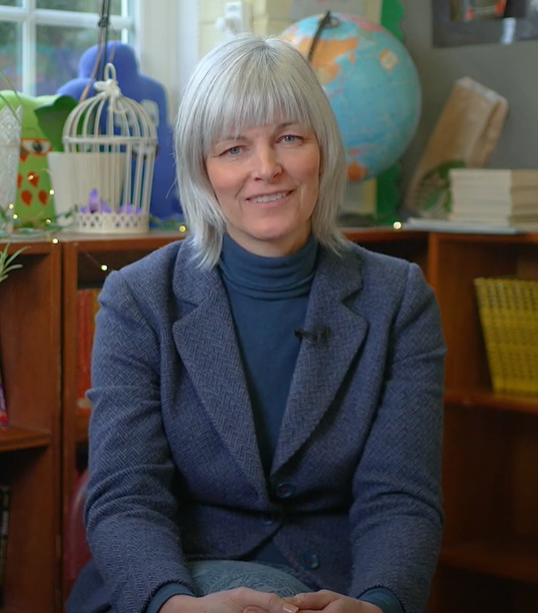
    Image of the author: Dr. Hazel Douglas MBE

    Consultant Clinical Psychologist and Child Psychotherapist, Togetherness Director

  • Healthier ways to argue: When you need to rock the boat

    When two people live together, they must navigate their individual needs on the back of different histories, expectations and family cultures. It may go smoothly most of the time, but it is normal to hit bumps in the road, unless you are both so accommodating of each other that you never put your own needs forward!

    How would you describe those moments of asserting yourself that, despite best intentions, always seem to result in falling out with your partner? Is it an argument? Having a row? A disagreement? Bickering? A shouting match? Maybe a squabble? How incredible that the English language has so many words to describe a rupture in a close relationship! Some terms may feel relatable; others may trigger a sharper reaction.

    Often, the topics which may cause disagreements can feel tricky to talk about. These might be sensitive issues that we have a particular view on or strongly believe in, which, when expressing our true feelings, can leave us feeling vulnerable as we wait to hear our partner’s own thoughts. Perhaps some of these topics could include:

    • How you both handle finances
    • Distribution of household chores (including what exactly constitutes as ‘clean’)
    • Your joint relationship with parents and in-laws
    • Family planning and thoughts around the bedroom (including how often!)
    • Childcare practices
    • How you spend your evenings as a family
    • Political or religious views
    • How much time apart is good for you both, doing separate activities or hobbies

    Talking about these topics is really important, especially if they are issues that are playing on your mind. The option of ignoring them can be tempting. But not addressing them means not expressing your own needs and values, and this can cause resentment, miscommunication and misunderstanding further down the road.

    These ‘what ifs’ can have a big impact on how we feel before talking about sensitive topics. And whilst we cannot promise that you will feel better or that everything will be instantly fixed after one conversation, we do have some suggestions to support you to approach these conversations together as a team – supporting one another in a close, connected relationship that builds your relationship rather than tear it down…

    It may sound really simple, but when we feel passionate about something, it can be hard to stop and allow the other person space to talk, and finish what they are saying. Some couples find it helpful to set time aside for specific conversations and to use a timer to make sure turns are equal. Or they may pass an object between them to signify whose turn it is to talk. Actually, just having the concept of handing over to the other person and being careful to maintain a back-and-forth pattern can help structure these more difficult discussions.

    You and your partner will likely bring different family cultures, expectations and ways of dealing with conflict to your relationship. Appreciating and understanding that the way you react in certain circumstances is influenced by your past experiences can help bring understanding in those moments when you feel like going head-to-head.

    You may have a point you want to get across, but taking a step back to really listen is an essential relationship skill that we especially draw on when conflict is bubbling up. Proper listening may involve the process of containment. That is, attending to the other person’s words and body language, tuning into their experience, maybe even feeling some of what they are feeling within yourself, and feeding back what they’ve said to you to show you ‘get it’. It’s about having genuine curiosity to understand how the other person is feeling, to see things from their perspective (even though it can feel hard to at points!). This can help give you that helicopter view of what you’re discussing.

    There are ways of saying what you need without putting the other person on the defensive. Being assertive is important, but the skill is in being assertive without being aggressive. They are very different things. You could try saying ‘when x… I feel y…’ instead of ‘you make me feel….’. For example, ‘when you leave the decisions up to me, I feel a bit alone and overwhelmed’ instead of ‘why do I have to do everything around here’. Or ‘When you raise your voice, I feel like you don’t respect my view’ rather than ‘Don’t you shout at me’.

    Then, you can introduce the picture of what you think would help, building on your understanding of the situation from both sides (see #3). What about saying ‘I understand that… it would be better for me if… Can we try…’

    We are all human. We all make mistakes or say things we regret, so it is important to have compassion and forgive one another. When talking about arguments, you may hear people talk about ‘rupture and repair’. All relationships will experience ruptures at one point or another. Repairing is an active choice when ruptures occur. It means saying sorry, acknowledging when you were harsh or unkind, or too quick to judgement, or so tired you shouted, and so on. Forgiving your partner comes from understanding what was behind their behaviour too, and of course letting them know you understand their ‘why’, even if you don’t like their ‘how’, can help re-establish your relationship equilibrium.

    Nobody is going to get it right every time, and becoming attuned to your partner takes practice. Approaching tough topics can be hard, but if you are able to work through them and repair the rupture – then your relationship becomes more resilient, because you know you can navigate these knottier issues. The next time you encounter a rupture, you can stand on past experience and know you can make it through tough times together.

    Consultant Clinical Psychologist, Togetherness Development Manager

  • Understanding anxiety

    Feelings of anxiety, worry or stress are common. At some point, everyone will experience these feelings to some degree – although the stressors may be different. Dr Hazel Douglas MBE, Clinical Psychologist and Child Psychotherapist, shares her insights on anxiety. She suggests how adults and parents can support themselves, as well as equipping their children with the life skills, to manage anxious feelings in a healthy way.

    Do you feel anxious sometimes? Well, that’s good because being anxious is being human. As human beings, we have lots of different feelings, anger, sadness, love, joy and anxiety. Being anxious has been with us for hundreds of thousands of years, and it’s given us an edge. Now, sometimes when it’s too much, it’s not helpful, but anxiety can often be our friend. Anxiety can help us feel more alert. So, if you’re going into an exam, it’s often helpful to feel a bit anxious. Not too much, but a bit anxious.

    If you’ve sometimes felt that being anxious has been helpful, well, sports people would call that the ‘Zone of Optimal Functioning’. The Zone of Optimal Functioning is the sweet spot. Above that, you’re too anxious – it’ll affect your performance. Below that, if you’re not anxious enough – it will also affect your performance, which is why being a little bit anxious at exam time can be very helpful. And over the hundreds of thousands of years that we’ve been humans; anxiety has been our friend. It’s given us the edge. It’s helped us to survive. But the trick is to be in that middle bit; the Zone of Optimal Functioning.

    If you’re feeling a bit too anxious, how do you come down into the zone? Well, you’ve got two nervous systems, the sympathetic and the parasympathetic nervous system. You want the parasympathetic system to work. And the way to get that into gear, in fact the quickest way to get it into gear, is to slow down your breathing. A simple exercise can be to count slowly in and count slowly out again. That is the quickest way to just calm yourself down. There’s lots of other ways to calm down your parasympathetic nervous system, for example you can use exercises that help you to focus on deliberately relaxing your muscles. But slow, deliberate breathing is the quickest. So, if you’re going into an exam and you feel that you’re too anxious, this can bring you down a bit, but remember, you do not want to be too calm. 

    Consultant Clinical Psychologist and Child Psychotherapist, Togetherness Founder

  • Parenthood: the lifelong learning journey

    Smiling father and son sitting at a table, talking and playing a card game together.

    We can easily assume parenting becomes easier as our children grow – after all, they learn to communicate in more sophisticated ways through talking and gestures. But it can often feel harder as problems get more complicated or complex. 

    The classic phrase “We’re expecting…!” is often used to announce the soon arrival of a new baby in the family. But what exactly do parents expect – from their baby? from their journey through parenting? 

    Maybe you went to an antenatal class and talked about how to look after your baby. Maybe you read books about ways to soothe your baby, what they can eat and when or how to play with them when they’re still so young. 

    The cot’s in the loft, your kids have new grown ups telling them how to behave, your teenager wants a new smartphone but then loses it two days later and your seven-year old says they will only hug you on Tuesdays and Thursdays… What’s that about? 

    If you have questions as a parent beyond the first year of your child’s life, that’s okay and normal! 

    We love the commitment of parents to prepare at the antenatal stage, to feel prepared to invest in the baby that’s soon to join the family. And we know that the brain undergoes the largest development and growth during the first three years of life. Despite brain development slowing down after three years, the brain continues to learn, organise and adapt to its environment as children grow, through the brain changes they experience in adolescence. Even into adulthood the brain retains some of that malleability (also known as ‘neuro-plasticity’). 

    And so naturally, we continue to learn throughout our lives. Preparing for the next season of parenthood as your child develops can become part of your learning journey through adulthood, with the added bonus of helping your children flourish in their own mental and emotional health. In fact, engaging in learning support can help us become more responsive to our child’s individual needs and build stronger relationships with them as they grow. 

    In short, parenthood is a lifelong learning curve. And sometimes it can feel very steep, indeed! 

    That’s why we have invested our time into developing online learning pathways to hold your hand through parenting, providing you with a reflective space to think about your individual family needs and emotional wellbeing, rather than giving generic blanket approaches or ‘how to’ guides that can cause unnecessary pressure on parents to try the latest advice on managing children’s behaviour instead of understanding what that behaviour might be communicating. Togetherness remains available 24/7 to allow learning to fit around your family schedule and at a pace that suits you. 

    Written by NHS clinical psychologists and health professionals with input from parents themselves, there are pathways for the antenatal, preterm, postnatal, childhood and adolescence stages. 

    We are also aware that parents need to look after themselves as your role constantly changes as you adjust and respond to your child’s changing needs. Our online courses help parents think about how they can ensure they have enough in the tank to pour into your relationship with your wonderful, unique child or young person. 

    So, what are you expecting in the next stage of your parenting? 

    Why not visit our Pathway Library to start learning with us today? 

    If you would like to learn more about your child’s stages of development and how to support them to thrive in everyday life our online pathway, Understanding your child: from toddler to teenager, is a useful tool for understanding the world they inhabit. 

    With 13 modules covering topics from what goes on within everyday interactions, what contributes to emotional health and mental wellbeing, brain development as a child grows and how children, teenagers and adults express emotions differently, it is accessible 24/7 on Togetherness. 

    Our pathway voiceover means you have the option to learn by reading or listening to suit your preferred learning style. And with the benefits of being online, you can learn at a pace that suits you in the privacy of your own home.

  • Six things you didn’t know about babies’ mental health

    Baby held in her mother's arms

    The mental health of babies is an often overlooked but incredibly important aspect of their overall development. Research has shown us that the foundations for emotional wellbeing and resilience are laid down in the first six months of life. Here are six fascinating insights into babies’ mental health that you might not know!

    From the moment they are born, babies are ready to connect with the world around them. Despite their undeveloped brains, which are roughly only half the size of an adult’s, newborns are remarkably social. They make connections in their brain at an astonishing rate—about a million per second—processing everything they see, hear, smell and touch. These early social interactions are crucial for their emotional and cognitive development. 

    The relationships babies form in their first few months are truly fundamental. The close contact they have with their parents teaches early regulation both physically and emotionally. The familiar heartbeat, voice, and touch of parents is calming and reassuring, while responsive interactions help infants learn to feel confident, playing a significant role in shaping their emotional health. 

    A newborn’s senses are undeveloped but they are ready to learn to grow. Initially, vision is quite limited: babies can focus on faces and objects close to them, which helps them begin to learn. These sensory experiences send electrical impulses through their brain, fostering its growth and development. These early sensory interactions are fundamental in building the neural connections that underpin emotional regulation and cognitive abilities. 

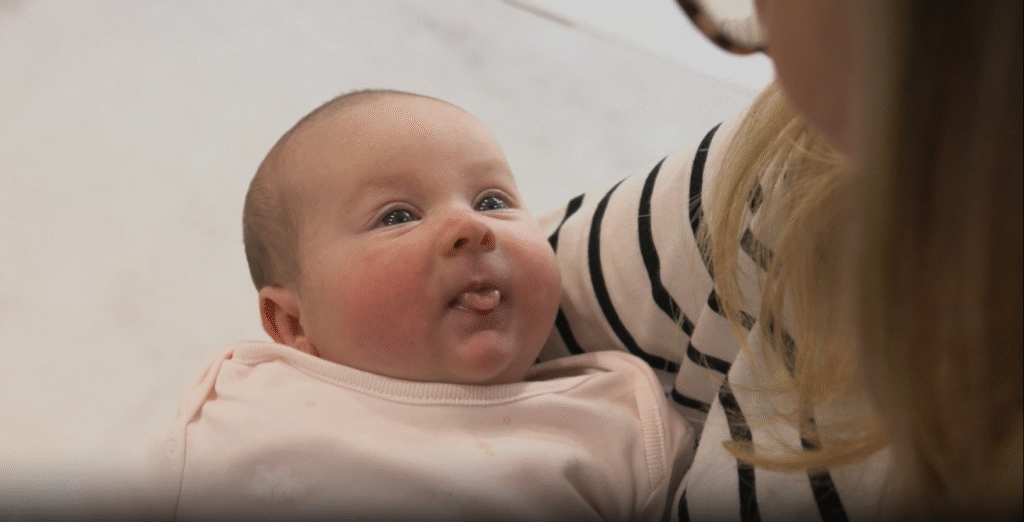
    Most babies are ready to communicate from birth, as long as they are healthy and not premature. They use subtle cues like nuzzling or sticking out their tongue to indicate hunger and other needs. Furthermore, as they start to experiment with sounds they can make, positive responses from caregivers encourage babies to continue interacting, reinforcing neural connections and the start of language development. 

    The interactions babies have with their caregivers literally help grow their brains. Positive, responsive interactions encourage the development of the cerebral cortex, the part of the brain responsible for communication, emotional regulation, and learning. Relationships act as brain food, providing the stimulation needed for these areas to develop properly. Without these interactions, babies might experience slower development and potential behavioural issues later in life. 

    While the first six months is the most rapid period, brains continue to grow, reshape and develop throughout our lives. Engaging in new experiences, learning new things, and maintaining strong social connections are essential for brain health at any age. The to-and-fro of communication and relationships is beneficial throughout our entire lifespan and the rupture and repair is essential too – it’s never too late to nurture good emotional health in your relationships!

    Understanding these aspects of babies’ mental health highlights the importance of early experiences and relationships. By nurturing these early connections and providing a stimulating environment, we can support the development of healthy, kind and hopeful adults . The first six months are not just about physical growth but also about laying the groundwork for lifelong mental and emotional wellbeing. 

    To learn more about your baby’s emotional needs and development, follow one of our antenatal or postnatal pathways on togetherness.co.uk/learn.

    Consultant Clinical Psychologist and Child Psychotherapist, Togetherness Founder

  • Eating disorder awareness for parents

    Eating disorders can affect anyone and cannot be identified by the way someone looks on the outside. They are no longer defined by actual weight but by thoughts, intent and patterns of behaviour. They can affect anyone of any age, gender or family makeup. As a parent, it is frightening and you will need support and lots and lots of ‘self care’, but recovery is possible and you may look back one day, with an even closer relationship with your child and lots of important learning under your belt.

    Maybe you’ve had a niggling feeling, you’ve noticed your child isn’t eating everything, is skipping meals, you may (or may not) have noticed a change in appearance. You put the worries to the back of your mind. You nag a little, try to be strict but it doesn’t work and may even push them away. Then comes the moment when you realise they’ve not eaten a thing all day. There’s a sickening, stomach flipping, unavoidable moment of recognition: you’ve got a problem on your hands. At the very least this is what is described in the literature as ‘disordered eating’.

    This is the moment to talk to someone, a friend, a partner – you may be tempted to try to push it back in its box and ignore it but naming it, as scary as that may feel, is the first step to getting both your child, and crucially too, you, some help. Perhaps there is a more gradual dawning. Maybe you hope it’s going to be a fad or phase and that they will come through it naturally.

    Understanding your wellbeing in high pressure environments (Firefighters) shape illustration 1.

    ‘Containment’, a type of listening support to help someone process their emotions, for example worry, so that they do not feel overwhelmed and therefore have the capacity to start to think about the situation, is as important for you to experience as a parent, as it is for you to be able to offer your child. In order to be there for them, you need to feel some level of ‘containment’, so reach out to friends and family and/or support charities such as BEAT as soon as possible. You will need this containment over and over again.

    It is important to know that Eating Disorders are classed as a severe mental illness. A scary phrase but not one to be frightened of. Remember, recovery is very possible especially when help is sought early. This classification can validate the importance of taking disordered eating very seriously and can explain why things can spiral so quickly, almost without the affected person realising.

    Understanding your wellbeing in high pressure environments (Social care) shape illustration 2.

    What the label really means is there is an interaction of the bio- psycho- social systems. As a parent, you may find it helpful to know that starvation is numbing; ‘don’t eat; don’t feel’. This is a protective evolutionary strategy to help cope with a shortage of available food (bio), but when interacting with feeling overwhelmed by emotions (psycho) serves a useful function of protecting against pressures to be a certain way e.g. thin, successful, beautiful, etc. etc. (social). Starvation is also highly addictive (bio) because endorphins are released which create a sense of ‘clean’ and ‘pure’ energy.

    Understanding your wellbeing in high pressure environments (Health care) shape illustration 1.

    Starvation also leads to rigid thinking, which in turn reinforces the focus on not eating. This is a powerful self-reinforcing cycle and spiralling down is a more likely outcome than not. 

    The task of learning ‘emotion regulation’ skills is a universal one. These skills are the foundations of lifelong emotional health and well-being. Children develop them from infancy, and throughout childhood, through interactions with the adults in their life. For many adolescents, a time of chaos in the brain and body, feelings can once again become completely overwhelming. For some, this is the invitation into numbing, controlling, starving as a (albeit maladaptive) way to cope. At some point on the journey to recovery therefore, an upgrade of their emotion regulation skills will need to be learned. 

    After the onset of an eating disorder the first step is nutritional recovery and stability, then comes a really scary time for the young person who will start to think and feel again. Just like when they were little, they will need a lot of support to develop healthy strategies for coping with overwhelm. Parents again have an important role to play. It is important to have faith that, just like supporting a toddler who becomes overwhelmed, a) you matter; your non-judgementalism, containment and presence are a lifeline for them, though they may not show it, and b) things will get better. This is a time of brain reorganisation and, crucially, growth. It may feel like a regressive developmental step just when you thought they’d be developing their independence, but they will emerge into maturity eventually.

    It may take a couple of attempts to convey the necessary information for a referral to be either made onward to specialist services, or to be accepted by those services. Again, processing emotion so that you can keep thinking and planning – and advocating for your child, are key. Don’t be put off, your parenting instincts and the learning you have done so far are worth listening to.

    Single training shape formation.

    This is why it is important to learn as much as you can about the experience of other young people. This will help you tune into the experience of your child (reciprocity) and may help you read their, albeit subtle, cues. There are many reasons why people develop an eating disorder, but due to human physiology the effects once the addiction kicks in are fairly similar across the board. Food becomes feared, so it’s important to respond to the anxiety rather than only the stubborn behaviour that comes with it.

    It is also important to be aware that eating disorders are quite common in autistic people. This may be the crisis that leads to a new understanding of your child’s needs. ‘Disordered or restrictive eating is often the first sign of autism in a person who does not have their neurodivergence recognised.’ 

    Messaging about being overweight being aesthetically undesirable (‘fat shaming’) comes in many guises. When thinking about prevention, especially when your children are little, it is important to notice the subliminal messages we give them. Try to keep your own body insecurities to yourself. Talk about fun foods rather than treat foods (which can imply they must be earned for some merit or other). Talk about a balanced diet with everything in moderation rather than assigning values e.g. ‘bad’, ‘naughty’, to certain foods. Swap the word ‘fattening’ for ‘healthy’. So, for example, rather than ‘Don’t have those crisps they’ll make you fat’ try ‘these crisps are fun to eat but they won’t help our bodies be healthy if that’s all we fuel it with, so how about some carrot sticks/apple/etc as well. 

    Judgement of others (even behind closed doors) can be turned inward by developing brains; ‘well if you think that way about them, what do you really think about me?’

    Remember when you had your first baby and after the first few days and months you felt like you were winning at parenting? Because you’d managed to keep them alive!  

    Having a child ‘choose’ to deny themselves food and put their life at risk, perhaps even feeling they no longer want to live, challenges a fundamental part of your identity as a parent. It is going to be a hard journey. However, your steady presence, connection, containment and reciprocity are going to be your tools as you support them to slowly choose a different path. Self-care and reaching out for the right support is critical.  

    Recovery is certainly possible and it can be helpful to read stories of other people’s healing process. You may not choose to go on this journey but it will take you to some interesting places of deep discovery and personal growth. Being agile in your parenting and open to learning and adapting are key.  

    To learn more about eating disorders and finding help. Beat encourage early referral via the GP. This guidance for GPs is useful to take with you to that first appointment. 

    Eva Musby has supported thousands of families and practitioners. She talks about a bungee jumping metaphor in which she explains how anxiety drives the relationship with food. 

    Body positive parenting wisdom for busy parents. 

    Learn about containment, reciprocity and reading behaviour as discussed in this blog following an online learning pathway on understanding childhood. All of the pathways in this portal have been developed by Togetherness.

    Consultant Clinical Psychologist, Togetherness Development Manager

  • Navigating parental decisions: vaccinations and other health choices

    Parenting is a journey filled with big and small decisions every day. From choosing the right school to what to feed them and how to keep them safe and well, each choice shapes your child’s future in some way. So it’s easy to be overwhelmed or feel anxious. One of the most common areas of difficulty for parents is the uncertainty of health-related decisions: deciding to vaccinate your child is a decision all parents face and for some, more complicated health decisions need taking too.  

    It’s normal to feel a sense of anxiety when facing such pivotal choices. In a world flooded with information, sometimes these emotions can feel overwhelming and we all know that making decisions under pressure is hard. So how then can you make confident decisions in the best interests of your child and family? 

    When you think about making decisions about health, it can be helpful to use the following guide; designed to help you recognise your own feelings and make the right decisions for you with confidence. 

    Begin by gathering reliable information from reputable sources. Consult health professionals, whether it’s a Health Visitor, School nurse, or GP, and explore official NHS or professional health websites, and read scientific studies. Be cautious of misinformation on social media and look for evidence-based resources which have been published in reputable sources such as research journals or professional institutes. Look behind the headline as the facts may be very different.

    Talk to other parents, family members, and friends who have faced similar decisions. Share your concerns and listen to their experiences. This exchange of perspectives can offer valuable insights and help you feel more supported in your decision-making journey. Talking is also really important for understanding your own emotions and restoring your capacity to think clearly. But remember, we each might have our own opinion for our own reasons and that what suits one person may not be right for another or your family.

    Attend appointments with your child’s healthcare providers with prepared questions so you can check information you have found and fill in any gaps. Your child’s healthcare provider will be able to provide more personalised advice based on your child’s medical history and current health.

    Once informed, you can work out the different options you might have, remembering that not acting is also an available choice. Not taking action has consequences like your other options, so for decisions like vaccination, understanding the risks associated with preventable diseases can provide a clearer perspective.

    Parental instincts are powerful and they are developed over time as you get to know and understand your child, but it’s essential to validate them with factual information. Trust your gut feelings, but ensure they align with the evidence and guidance provided by healthcare professionals. This balance and finding a way to make sense of the information you are receiving without being overwhelmed by it will allow you to make decisions with confidence.

    Parenting is a journey filled with uncertainty and making decisions that impact your child’s health can be particularly challenging. Remember, you’re not alone on this journey and informed decisions lead to a healthier, happier future for your family. 

    Health Visitor, Togetherness Manager