


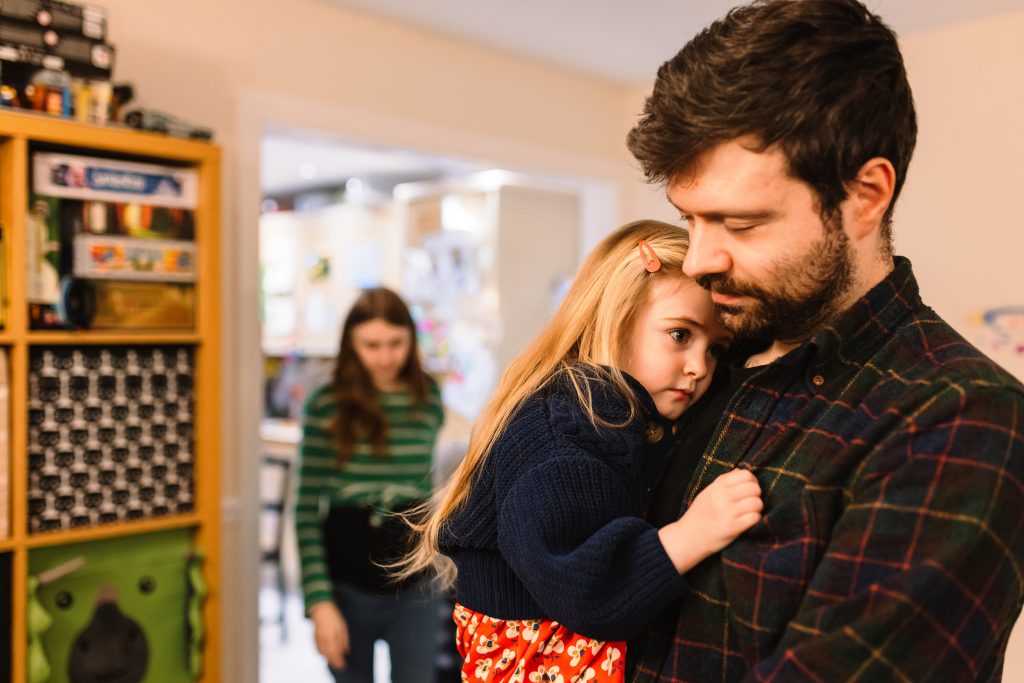
Some anxiety every now and then is a normal part of life. However, there are times when anxiety is getting in the way of your child living their life and experiencing the world.
So, you’ve noticed that your child is feeling anxious. Noticing is the first and very important step in supporting your child!
Thinking is next. What is going on with your child? In our Togetherness pathway, ‘Understanding your child: from toddler to teenager’, we introduce the idea of three key questions to help with this. They are:
1. What is the exact age and developmental stage of your child?
Think about what they are doing at the moment? What are their challenges?
2. What changes have taken place in your lives recently?
Think about all recent changes, no matter how big or small. Your teenage daughter may be breaking up with her boyfriend/girlfriend or fallen out with a friend.
3. How well can your child communicate their needs to you?
Is it obvious when your child is feeling sad, angry or frustrated, or do you need to look more closely to spot signs of certain emotions?
Then what are you going to say or do? This is a difficult one to answer, because it depends on what you think is going on. If your child is ready to talk about what they are feeling you can make sure that they know you have time to listen. Then you could show that you are interested by saying something like ‘I think you’re looking anxious’. They may be able to talk a bit about their anxiety. They may be able to talk about how they feel.
There are also practical things your child can do to try and calm down their anxiety while you all try and understand what they are feeling. Breathing exercises are popular. Slow breathing down. Breathe in slowly, hold for a few seconds and breathe out slowly. A quick way to calm down. Then it’s easier to think about what’s bothering them.
If your child is neurodivergent you may need to think carefully about why they feel overwhelmed and what might help.
If working together with your child isn’t enough, then you may need to get additional help. Your GP may be able to recommend someone or their school may be able to help.
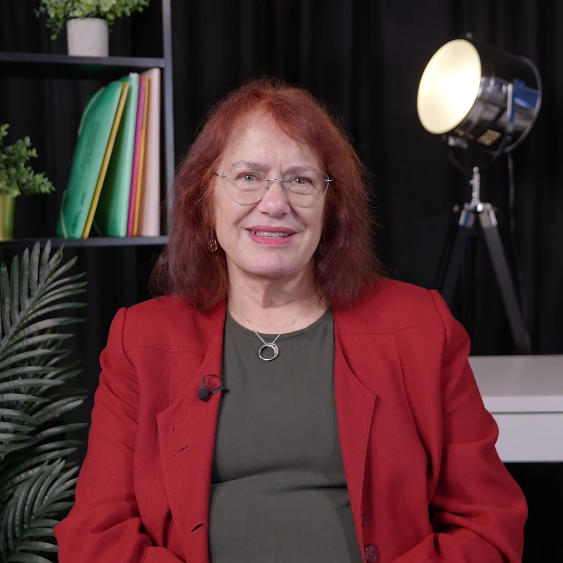
Dr Hazel Douglas MBE
Clinical Psychologist and Child Psychotherapist, Togetherness Director