
Home
> About Us
> Togetherness impact stories
> All impact stories
Togetherness’ profound impact on schools in Lanarkshire
The power of the Solihull Approach model in practice within school and care settings.
Children’s relationships and everyday interactions with school staff grow and shape their brains, as well as their emotional development and wellbeing. Today’s educators face increasing challenges. Increasingly referred to as the ‘fourth emergency service’ staff report growing challenges managing difficult behaviours in large class groups.
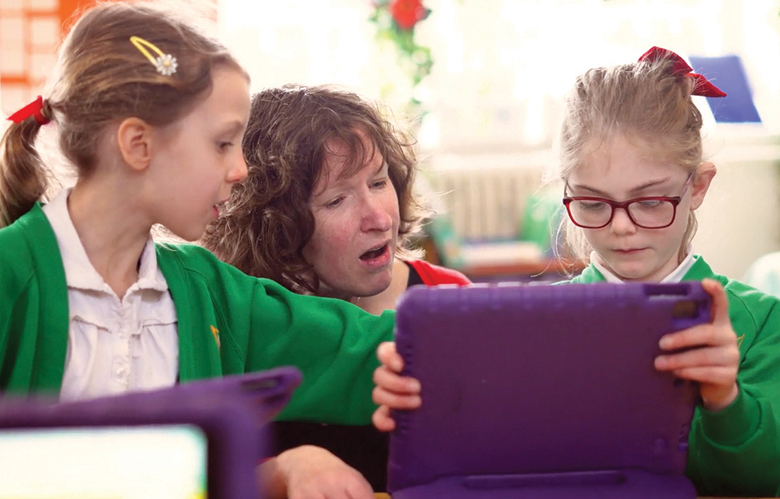
Supporting emotional wellbeing in schools
Togetherness provides practical, evidence-based solutions to help schools navigate these challenges effectively and create cultures where all pupils feel emotionally safe and ready to learn. Togetherness-trained staff internalise a way of thinking and develop techniques to help them model helpful behaviours, to tune into emotional needs and empathise in order to get the best from children – and they see the difference.
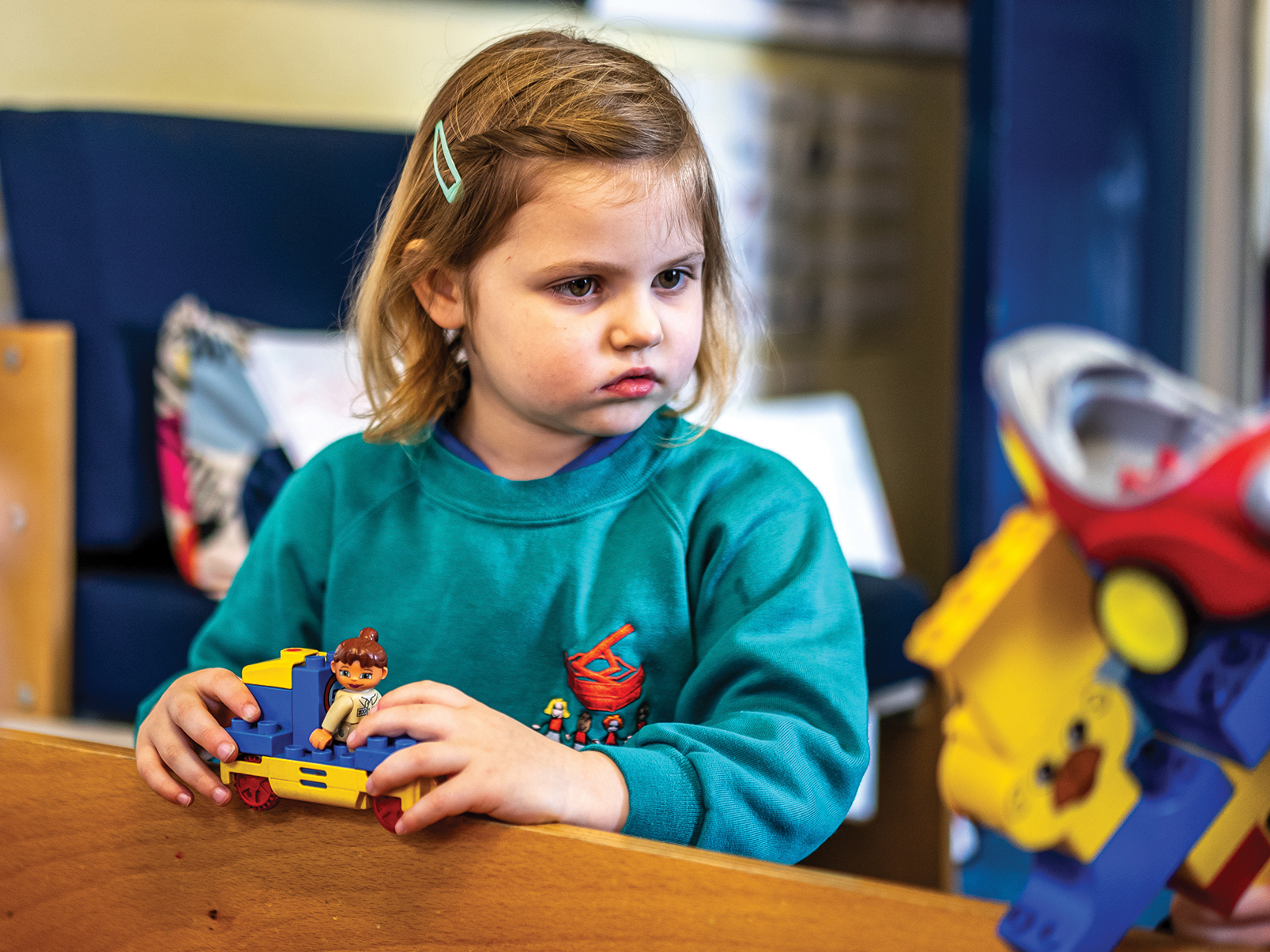
Whole School training
Powerful stories from schools in North Lanarkshire show the significant impact Togetherness training has had on its staff, which has directly benefited children’s emotional wellbeing.
K’s story
7-year-old K struggled with learning and often became stressed and dysregulated, particularly during changes to routine or when working with unfamiliar adults. Using the Solihull Approach model, a professional worked with K’s teacher to understand his behaviour as communication and develop a more attuned, relational response. The teacher introduced predictable routines, more processing time, a calm tone and advance preparation. Over six months, K became calmer and more engaged. Behavioural incidents reduced, writing improved significantly and his reading progressed from ‘below five years’ to 5.5–6 years. His teacher also became more confident responding to his emotional needs.
J’s story
Staff observed that J was often disengaged, struggling to follow instructions, share and cooperate with peers, and sometimes displaying violent behaviour towards adults. They recognised his behaviour as communicating an unmet need. A staff-support session helped practitioners reflect on their interactions, see the environment through J’s eyes and become ‘curious not furious’. They observed that J was often bored, becoming more engaged when his interests in cars and outdoor play were incorporated into learning. Staff used consistent containment, emotional validation, ‘time in’, social stories and visual supports, while adapting the environment, preparing J for transitions and working with parents and multi-agency partners. J became more engaged in learning, followed routines more successfully, developed friendships and improved sharing and turn taking. Violent incidents reduced significantly, and he became better able to regulate his emotions with adult support. Staff increased their confidence in managing behaviour, built trust with J, and supported his transition to primary school.
Putting training into practice
Togetherness is a proven framework designed to enhance emotional health and wellbeing in schools and services. By equipping staff, students, and parents with the tools to understand and support emotional development, they can foster a positive learning environment, improve behaviour, and strengthen engagement. Effective implementation reinforces the impact training has on its participants, and those who have attended Togetherness training in Lanarkshire have shared examples of how they have applied the concepts in their post-training practice.
Settling into school
Schools and nurseries are now more likely to respond individually to each child and their needs. Staff are more aware of validating children’s feelings when settling in, reassuring the child that their parent will return, rather than simply trying to distract the child, and using different approaches to effectively connect with them. One mum was struggling to leave her child in Nursery, so staff asked her to bring in an item of her personal belongings. Mum left a scarf with her perfume on it, helping to contain the child throughout the day.
Another girl was struggling with settling into Primary School, especially during lunch time in the large, noisy lunch hall. Staff and mum agreed that she would put a photograph of herself in the lid of her daughter’s lunch box, telling her that she would be thinking about her at lunch time. After this change, the girl became less tearful and managed to eat lunch in the hall.
Understanding teenagers’ experiences
In Children’s Houses, support workers are now more sensitive to the young person’s past experiences. Being expected to sit in the back of a car often reminds these children of experiences with the police, so staff will make sure they ask their preference for sitting in the front or back. Support and social workers also recognise the car as a good place to talk, naturally providing opportunities for the child to look away, and being generally less intrusive than other situations. Some have described taking detours to create a longer journey and provide more time for in-car discussion.