What is it like to deliver Togetherness antenatal groups?
Empowering parents, and the staff who facilitate them.
The Togetherness team is passionate about early intervention and responsive relationships that support mental health and wellbeing. Understanding your pregnancy, labour, birth and your baby was developed with midwives to provide a high quality, evidence-based and scalable community antenatal course in 2019. Building on practical information, the course introduced principles from Togetherness to raise understanding of emotional development and mental health from the earliest opportunities. Since then, thousands of groups have been facilitated to support new mums and dads into parenthood with confidence. Structured and ready-to-deliver groups can be delivered by practitioners following Togetherness Facilitator training, enabling them to run evidence-based parenting groups, proven to make a difference for families.
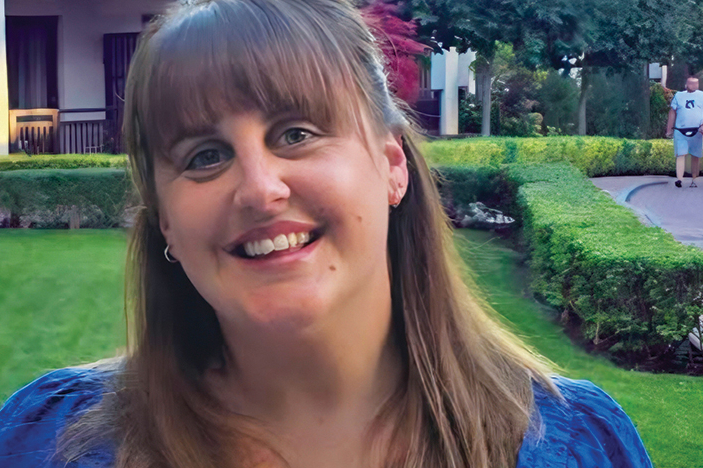
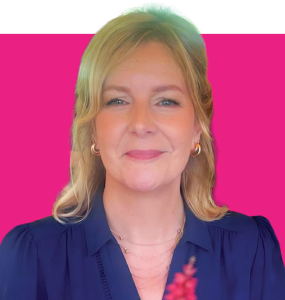
My experience: Clare Wilce
Clare Wilce is the antenatal lead for Monmouthshire Flying Start, overseeing the antenatal programme that uses Togetherness within Monmouthshire. “We run three programmes a week throughout the county, as part of the Aneurin Bevan Health commitment. We’re funded from Flying Start, a child poverty grant, meaning we have a range of parents attending our groups – or opting for one-to-one visits if it’s not appropriate to attend. What I love about the Togetherness antenatal programme is that it prepares parents for so much more than the birth itself. My own experience of antenatal education was very traditional: a few sessions in hospital, lots of practical information, and then you have your baby. But it didn’t really prepare me emotionally for the experience of becoming a parent. Togetherness is different. We do cover the practical aspects of pregnancy, birth and caring for a baby, but we also make space for the emotions that parents are experiencing now, and the emotions they may experience once their baby arrives. We give those feelings a name and help parents understand that what they are experiencing is normal.”
Creating a safe space
“Sometimes, in that very first session, people just have a bit of a cry. You can almost see the relief on their faces – ‘Oh, it’s okay. I knew this was all inside me, but I haven’t had anywhere to talk about it’. That safe space is so important. We also see the difference it makes when dads are included as part of the journey. They’re not simply coming along for the ride. Through things like the feelings maps, they have their own opportunity to think about and express how they are feeling – they feel validated too. Every parent’s journey is different, and Togetherness gives them permission to recognise that. For me, that is the real value of the programme. We’re not just preparing people for labour and birth; we’re helping them prepare emotionally for becoming a family. And we’re giving parents the confidence, understanding and space to start building that relationship with their baby from the very beginning.”
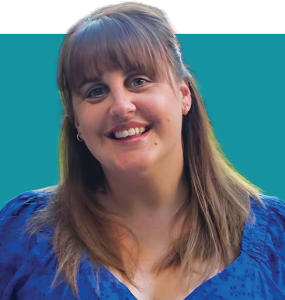
My perspective: Zoe Wildy
Zoe Wildy is the Monmouthshire Flying Start Parenting Coordinator, managing a team of 15 practitioners. “One of the things that has struck me most about delivering Togetherness antenatal groups is what happens after the course finishes. We see parents go on to create their own support networks. In fact, in the majority of our groups, those connections continue long after the sessions have ended. One mum in our area started a WhatsApp group after her Togetherness antenatal course. It began with the parents she met through the group, but it has grown into a community of more than 130 mums and dads. People who weren’t even part of her original group have found their way to it because they know there is a welcoming network there.”
Building parent communities
“What I love about that is that the principles of Togetherness are continuing without us. We talk about containment and reciprocity during our groups, and parents experience what it feels like to be listened to, supported and understood. Then they start doing that for one another. They are creating the kind of support network that every new parent needs. The programme also allows us to meet parents where they are. For some young parents, particularly teenagers who may worry about being judged in a group, we can take the same approach into their homes through one-to-one support. For other parents, particularly those who may have experienced a long journey to pregnancy, the antenatal group provides a safe place to talk about emotions – the anxiety, the anticipation, the relief after years of IVF! A parent might be absolutely delighted to be pregnant, but at the same time feel frightened or anxious about whether everything will be okay. Togetherness gives us permission to have those difficult conversations in a safe and supportive environment.”
Embedded into practice
“These early interventions are also a great opportunity for us to identify who may need further support – for example a mother who will likely give birth prematurely. We can recommend and signpost to the online pathways that help to support her journey even further. We also find the online pathway options help complement our in-person groups – fathers who can’t make the sessions can ‘catch up’ with information and align with the mother’s experience. Togetherness has become part of our way of thinking and working. It’s become who we are, influencing how we respond to difficult situations and how we work with families. The group isn’t simply a standalone course. It has become part of wider practice, with a common language and principles that we apply across our work, whether we’re educators, midwives or support staff. It provides a seamless experience for families, who see and hear this continuity across their touchpoints. That’s what makes the programme so powerful for me. It isn’t simply a course that parents attend and then leave behind. It can give them the confidence to talk, the reassurance that they aren’t alone, and relationships that carry on into parenthood in their wider community.”